What to plant and sow now
If you are asking what to plant now, the November list is short and every crop on it is hardy. Plant on a day when the ground is workable rather than frozen.
- Garlic. The RHS says garlic is usually planted from mid-autumn to early winter, because it needs a spell of cold to form a good bulb.
- Broad beans, if your plot is in a milder part of the UK or a very sheltered site. The RHS says to use a hardy variety for these autumn sowings and to protect young plants with cloches or fleece during cold spells.
- Bare-root raspberry canes. The RHS says dormant canes can be planted at any time between November and March, as long as the soil is not frozen.
That is most of the outdoor planting until spring. The month-by-month crop calendar shows what to sow in each month of the year, and the October jobs page covers onion sets if you are still catching up on autumn planting.
Harvesting from the Ground
The plot looks bare in November, but there's more dinner out there than you'd think. The hardy crops are at their best now, and the cold actually does most of them a favour. This is the month the brassicas sown back in summer pay for the space they took.
Worth having to hand in November
November is for tool care and structure repairs, jobs that pay off in March.
- Garlic bulbs for planting (search Amazon): the RHS says garlic is usually planted from mid-autumn to early winter.
- Linseed oil (search Amazon): one coat on wooden handles now stops them splitting over winter.
- Cloches (search Amazon): keep winter salads and spring cabbage moving through the cold.
- Bare-root raspberry canes (search Amazon): they go in while dormant, any time from November to March.
As an Amazon Associate I earn from qualifying purchases.
- Leeks sit happily in the ground all winter. Dig them as you want them. A hard frost doesn't trouble them in the slightest.
- Pick Brussels sprouts from the bottom of the stalk upwards, and wait until after the first frost. They're noticeably sweeter for it.
- Strip kale leaves as you need them and the plants keep going right through to March.
- Leave the parsnips until a frost has been through. That's when they hit their sweetest.
- Jerusalem artichokes can stay put. Dig the tubers as you want them and leave the rest in the soil, where they keep perfectly well.
Planning Ahead
November is when the real plotting happens, the indoor kind. With the beds quiet, this is the time to sit down with a cup of tea and sort out next year before the catalogues sell out from under you.
- Get the seed catalogues out. Thompson & Morgan, Real Seeds and Seeds of Distinction are all worth a browse.
- Read back through your plot diary. Be honest about what worked, what flopped, and what you would do differently.
- Map out the crop rotation for next year so you know which bed holds what before spring rushes you.
- Order seed potatoes now rather than later. The popular varieties are gone by January, every year without fail.
- Have a look at new varieties while you are at it, particularly the disease-resistant, heavy-cropping ones.
Winter Jobs
Pick a dry, firm day and knock these off in one go. The ground is still workable and your hands aren't frozen yet, and getting the maintenance done now means December can be the quiet month it's meant to be.
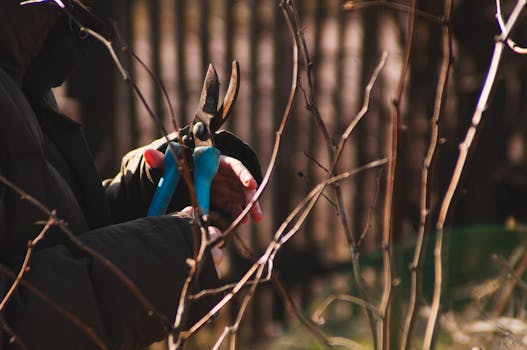
- Mulch the fruit bushes with a layer of compost. It shields the roots and feeds the soil at the same time.
- Leave the autumn-fruiting raspberry canes standing for now. The RHS says to cut all the old, fruited stems to ground level in February.
- Clean and oil all your tools before they go away for the winter. Rust sets in fast in a damp shed.
- Mend the raised beds, fences and shed now, while the ground is firm enough to stand on.
- Rig up some rain collection. A water butt filling now will be worth its weight come a dry spring.