Walsall Barrow in a Box Easiload 85L
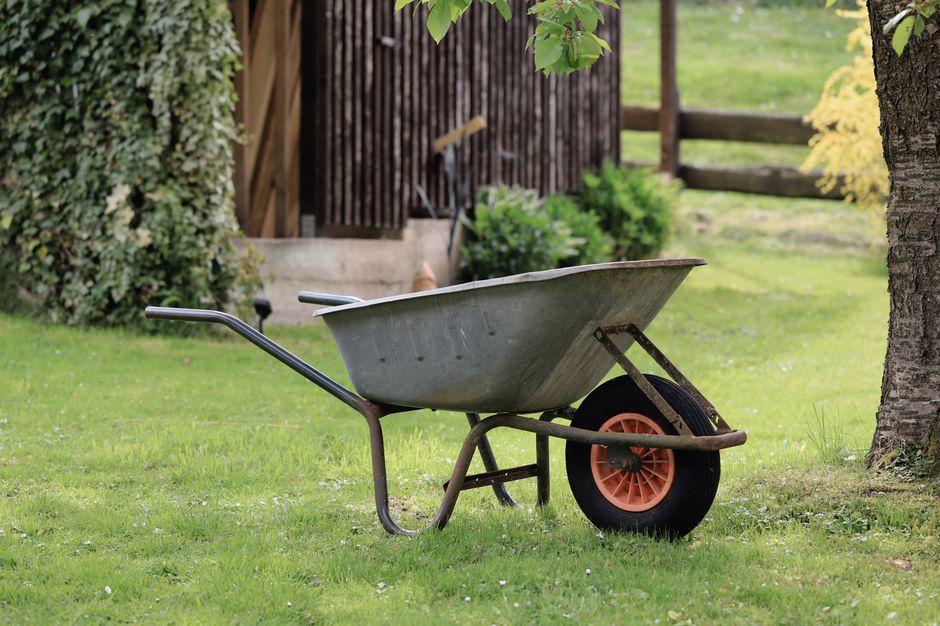
Galvanised steel pan on a 30mm steel frame, and the foam-filled wheel means no flat tyre to deal with. It arrives flat-packed and takes about ten minutes to bolt together.
As an Amazon Associate we earn from qualifying purchases.
Top 5 Compared
| Wheelbarrow | Capacity | Pan | Wheel | Price |
|---|---|---|---|---|
| Walsall Easiload 85L (Barrow in a Box) (search Amazon) | 85L | Galvanised steel | Foam-filled, puncture-free | Check price |
| Neo 120L | 120L | Galvanised steel | 16" pneumatic | Check price |
| Draper 82755 Contractors 85L | 85L | Metal tray | 350mm pneumatic | Check price |
| Haemmerlin 1041G Original Green 90L | 90L | Epoxy-coated steel | Pneumatic | Check price |
| Gorilla Carts GOR4PS dump cart (search Amazon) | 4 cu ft | Poly tub, steel frame | Four 10" pneumatic | Check price |
Specifications can change, so look at the listing before you buy. We have not tested these barrows and we do not score them.
Our Recommendation
If you only buy one, make it the Walsall Easiload 85L. It holds plenty without being a beast to push down a narrow plot path, the galvanised pan shrugs off a winter outdoors, and the foam-filled wheel means you will never pump it up. Want more capacity for less money? The Neo 120L does the job, though you are back to a pneumatic tyre.
Pro Tip
Fit a puncture-proof tyre and never deal with a flat again. A barrow with a soft tyre, half-loaded with wet manure, is the single most aggravating thing on a plot. Sort it before it happens.
Poly or steel tray?
Poly trays have quietly won this argument. They're lighter, they don't rust, and dried concrete or manure knocks straight out of them. A steel tray takes more outright abuse — rubble, sharp hardcore — but on an allotment you're mostly moving compost, weeds and crops, and a bare steel tray will be flaking rust in three winters if it lives outdoors. The exception is galvanised or epoxy-coated steel, which is what most of the barrows above use and what stands up to being left out in the rain.
One wheel or two?
A single front wheel turns on a sixpence, which matters when the path between plots is a foot wide with a bramble on one side. Two wheels (or a four-wheel cart like the Gorilla) carry heavier loads without the balancing act, and they're kinder if you have a dodgy back or wrist. Our rule: narrow paths and raised beds, one wheel; long hauls from the manure pile or car park, two.

Make it last
Store it tipped up or hung on a wall so rain doesn't pool in the tray, and give the wheel bearing a squirt of oil each spring. That's the entire maintenance schedule. If the site is prone to light fingers, a cable lock through the frame is cheaper than a new barrow.
Frequently asked questions
What size wheelbarrow do I need for an allotment?
85 to 105 litres is the sweet spot. Smaller means endless trips on manure day; bigger than 120L is heavy to control when full and won't fit down some paths. If two of you share the plot, size the barrow to the weaker pusher.
Are pneumatic or solid tyres better?
Pneumatic tyres roll more easily over ruts and are kinder on bumpy ground, but they puncture and they go soft over winter. Solid or foam-filled tyres never let you down at the worst moment. On an allotment, where a flat means carrying everything by hand, solid wins.
Would a garden trolley be better than a barrow?
For heavy, awkward loads on decent paths, honestly, sometimes yes — a four-wheel cart takes the strain off your arms entirely. But it needs wider paths, it's worse on mud, and it won't tip into a compost bay. Most plot holders who buy a cart end up keeping the barrow too.