Raised Bed Soil Calculator
Enter your bed dimensions to find out exactly how much soil and compost you need.
Filling a new raised bed always seems to need either one more bag or three fewer than you bought. Guess low and you're back in the car for another trip to the garden centre. Guess high and there's a wonky stack of compost behind the shed all summer. Pop your dimensions in below and you'll know before you load the boot.
Calculate Your Soil Needs
Results
* Bags and price are whatever you typed in. Volume is the number to order by; weight varies with the mix and how wet it is, so we do not guess it. Bulk delivery is usually cheaper above about 500 litres.
Soil Mix Recommendation
A common mix is 60% topsoil, 30% compost, 10% perlite or grit; plenty of growers use a plain 50/50 topsoil and compost and do fine. The one thing to avoid is pure compost, which slumps within a season. The cost figure above assumes you're buying all compost, so knock it down a bit if you're bulking out with cheaper topsoil.
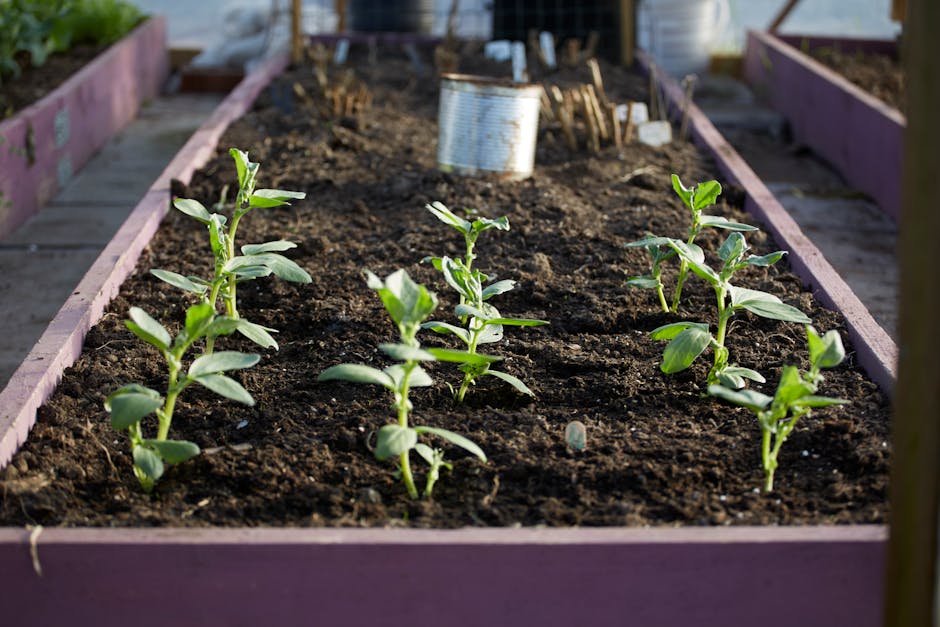
What to Plant in Your Raised Bed
Spring (Mar–May)
- Lettuce and salad leaves
- Radishes
- Peas and broad beans
- Carrots (short varieties)
- Spinach
Summer (Jun–Aug)
- Tomatoes
- Courgettes
- Runner beans
- Beetroot
- Chillies and peppers
Autumn (Sep–Nov)
- Kale and chard
- Spring cabbage
- Garlic (plant Oct)
- Overwintering onions
- Parsnips
Winter (Dec–Feb)
- Winter lettuce (under fleece)
- Leeks
- Brussels sprouts
- Jerusalem artichokes
- Plan next season!
Beds this size reward planting things that get along, because there is no room to separate a bad pairing. Our companion planting chart lists what to sit together and what to keep apart across 34 crops.
Beds and soil to go with your numbers
You have the volume. These are the kits and the compost that fill it without costing a fortune.
- Timber raised bed kits compared
- Galvanised and metal raised beds
- Compost bins: make your own filler
- Free printable sowing calendar + companion chart (PDF)
Our picks pages use affiliate links. As an Amazon Associate I earn from qualifying purchases.
Frequently Asked Questions
How deep should a raised bed be for vegetables?
Aim for 30cm (12 inches) as a minimum. Long roots like carrots and parsnips want more, 45-60cm (18-24 inches), to grow straight. Leafy greens, beans and most herbs are happy at 20-30cm. When you can't decide, go deeper. 30cm suits nearly everything you'll sow on a plot.
What soil mix is best for raised beds?
A common mix is 60% topsoil, 30% compost and 10% perlite or vermiculite to keep it draining. If you'd rather keep it simple, 50/50 topsoil and multipurpose compost does the job. Steer clear of filling with pure compost, it slumps and compacts within a season.
How many bags of compost do I need for a raised bed?
A standard 50-litre bag works out at roughly 0.05 cubic metres. So a 2.4m x 1.2m x 30cm bed (0.864 cubic metres) takes 18 bags if you fill it with compost alone (17.3 rounded up, because you cannot buy a third of a bag), which is exactly why it pays to mix in topsoil and bring that number down.
Related Guides
Best Raised Bed Kit UK
Complete guide to buying raised bed kits, timber, metal, and cedar options reviewed and compared.
Read the guide →Recommended Tools for Raised Beds
Some links on this page are affiliate links. As an Amazon Associate I earn from qualifying purchases. It costs you nothing extra.
As an Amazon Associate I earn from qualifying purchases.