Introduction to the UK Growing Calendar
Everything on a UK allotment runs to the calendar, and that calendar is set by our damp, mild, maritime weather. Winters here are soft enough that you can keep something going outdoors most of the year. Summers, on the other hand, rarely get hot enough to ripen the proper tropical stuff without a bit of glass over it. The upshot is a long season with plenty of moving parts, and the growers who do best are the ones who keep half an eye on what month it is.
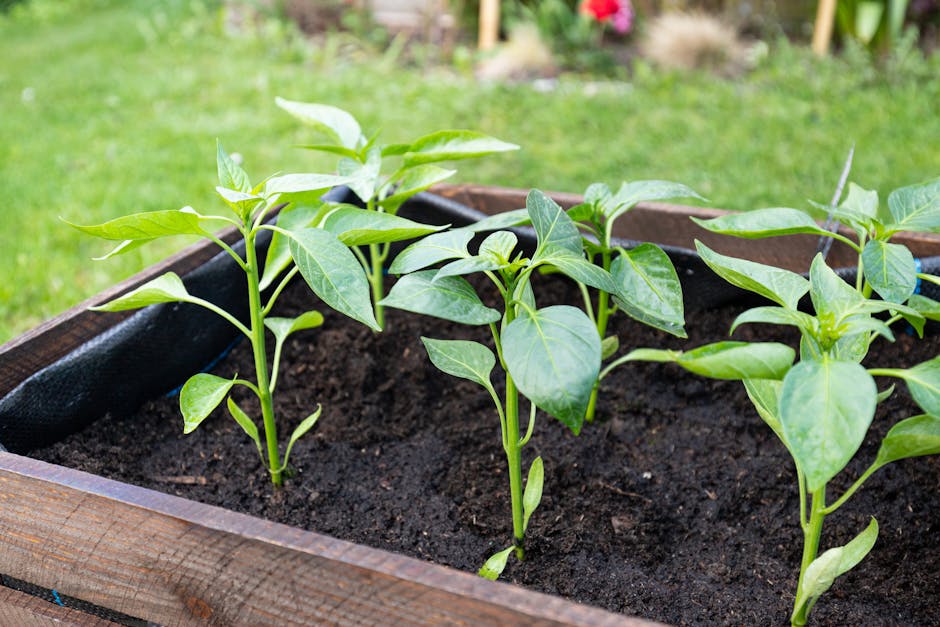
I've laid this out January to December. The timings are pitched for the UK Midlands. If you're in the South you can usually crack on 2–3 weeks ahead in spring, and if you're up in Scotland or the north of England you'll want to hold off by 2–4 weeks. Don't forget height, either. A plot sitting on an exposed hillside at 200 metres has a much shorter window than one tucked into a sheltered valley, even a few miles away. For something you can pin up in the shed, use our free UK sowing and planting calendar, which has the sow, plant-out and harvest months for 20 crops on one chart. And if allotments are brand new to you, our beginner's guide walks you through getting started.
Timing tells you when a crop goes in; it doesn't tell you what should be next to it. For that, work alongside our companion planting chart, which pairs 34 crops with their best neighbours and marks which of the classic combinations actually survived UK trials.
Quick note on "indoors" versus "outdoors": when I say sow indoors, I mean a heated propagator, a warm windowsill, or a greenhouse or polytunnel that keeps the frost off. Sow outdoors means straight into prepared soil in the open, or under an unheated cloche.
Before you scroll to your month
Sowing and planting now, in November: garlic early in the month, and overwintering broad beans in milder areas. Leeks, kale, celery and parsnips are ready to lift, and parsnips are better after a frost. Jump to November for the full jobs list, or read the December jobs to plan ahead.
Each month below ends with a short note on what that month actually needs buying. If you'd rather have the whole year on one sheet you can pin up in the shed, the sowing and planting calendar is a printable chart covering 20 crops.
As an Amazon Associate we earn from qualifying purchases.
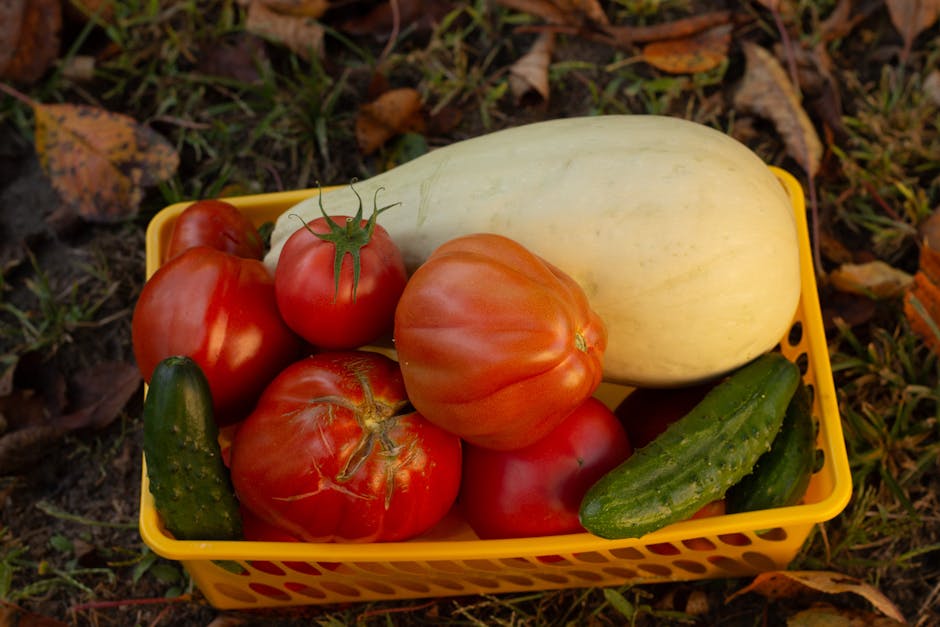
January Deep Winter
January is for planning. The ground is usually either frozen solid or a soggy mess, so there's not much sowing to be done. There are still jobs, though, and a few things the truly impatient can get going under cover — which in January means indoors, under a grow light for seedlings or in a grow tent for vegetables rather than in an unheated greenhouse. If the plot is giving you nothing at all, a countertop hydroponic system keeps salad coming through the gap. If you are breaking new ground this winter, this is the month a decent digging fork earns its keep — see our best garden forks round-up.
Sow Indoors
- Onions (heated prop.)
- Microgreens
- Forced chicory
Sow Outdoors
- Very little. Wait
- Overwintering onion sets (if missed autumn)
Harvest
- Leeks
- Parsnips
- Jerusalem artichokes
- Winter cabbages
- Kale
- Stored roots & squash
Key Jobs
- Order seed catalogues and plan beds on paper
- Chit any stored seed potatoes if not done
- Turn compost heap on a dry day
- Clean and oil tools, sharpen blades
- Check stored produce for rot and use promptly
What January actually needs
Nothing much grows this month, so the money goes on the two jobs that do pay off: breaking ground while it's empty, and getting the slow crops started under cover.
- Spear & Jackson stainless digging fork
Winter is when you turn over new ground or a neglected plot. A stainless fork sheds heavy wet clay instead of clogging with it. - EarlyGrow heated electric propagator
A windowsill alone rarely holds steady warmth for seed sown under cover. Chillies and peppers can wait: the RHS gives late winter for chillies and mid-February to early March for sweet peppers.
February Late Winter
February is when the first proper sowings start. The soil's beginning to warm, the days are getting longer, and you can feel the season coming. Get your seed potatoes chitting now, ready for planting out in April.
Sow Indoors
- Onions & leeks
- Early tomatoes (heat)
- Chillies & peppers
- Aubergines
- Early lettuces
Sow Outdoors
- Broad beans (cloches)
- Early peas (cloches)
- Garlic (if not done)
- Shallots
Harvest
- Leeks & leek greens
- PSB (first spears)
- Winter spinach
- Kale
- Stored root veg
Key Jobs
- Set seed potatoes to chit in cool, light, frost-free spot
- Prepare beds: weed, add compost layer
- Prune autumn-fruiting raspberry canes to ground level
- Check fruit tree ties and stakes
- Sow green manure on empty beds
What February actually needs
First sowings of the year happen indoors, so this is the month to have somewhere to put them all.
- MIXC seed trays, 10 packs of 120 cells
Onions, leeks and early brassicas all want module-sown. Buying trays in bulk once is far cheaper than replacing split ones every spring. - EarlyGrow heated electric propagator
Bottom heat is the difference between onion seed germinating in a fortnight and rotting in the compost.
March Early Spring
March is when the plot wakes up. The sowing list gets long, you can finally start direct sowing outdoors, and the workload jumps right up. This is the month the to-do list stops being theoretical.
Sow Indoors
- Tomatoes (all types)
- Celery & celeriac
- Cucumbers
- Brassica seedlings
- Basil (warm)
- Lettuce & salads
Sow Outdoors
- Early peas
- Broad beans
- Spinach (under cloches)
- Spring onions
- Radishes
- Parsnips (late March)
Harvest
- PSB (peak)
- Spring cabbage
- Sprouting kale
- Sorrel (first leaves)
- Chives & herbs
Key Jobs
- Plant garlic and onion sets outside
- Weed thoroughly before weeds establish
- Protect brassica seedlings from pigeons (netting)
- Apply mulch to soft fruit
- Begin hardening off any early sowings
What March actually needs
Sowing moves outdoors this month, which means the weather becomes your problem. March frosts kill more seedlings than anything else in the year.
- Horticultural garden fleece, 3m x 10m
A layer thrown over a bed lifts the temperature by two or three degrees and takes the edge off wind. It's the cheapest insurance on the plot. - MIXC seed trays, 10 packs of 120 cells
Peak sowing month. You will use more trays than you think you need.
April Spring
April is flat out, one of the busiest months going. Frost can still bite, so keep half an eye on the forecast, but by now the soil's warm enough for a good chunk of your direct sowing.
Sow Indoors
- Courgettes & squash
- French & runner beans
- Sweetcorn
- Pumpkins
- More lettuce & herbs
Sow Outdoors
- Carrots
- Beetroot
- Salad leaves
- Turnips
- Peas (maincrop)
- Swiss chard
Harvest
- Spring greens
- Asparagus (first!)
- Radishes
- Salad under cover
- Rhubarb
Key Jobs
- Plant first early potatoes in prepared trenches
- Set up support structures for peas and beans
- Slug control: beer traps, copper, nematodes
- Begin hardening off tomatoes and tender plants
- Protect potato shoots from late frosts with fleece
What April actually needs
Potatoes go in, seedlings start moving outside, and everything needs potting on. This is the month you get through compost.
- Miracle-Gro peat-free all purpose compost, 52L
Potting on and filling modules eats through it. Peat-free is the standard now and works fine for veg as long as you don't let it dry out. - Horticultural garden fleece, 3m x 10m
Late April frosts catch people out every year, usually the week after everything has been planted out.
May Late Spring
Once the last frost has gone (usually mid-May across most of England), the tender plants can finally go out. It's my favourite month, honestly. The plot changes almost week to week.
Sow Indoors
- Late courgettes
- Autumn brassicas (kale, PSB)
- Fennel
- Basil (successional)
Sow Outdoors
- French & runner beans (late May)
- Sweetcorn (blocks)
- Courgettes direct
- Succession salads
- More beetroot & carrots
Harvest
- Asparagus (peak)
- Broad beans (pods)
- First lettuces
- Spring onions
- Radishes
- Rhubarb
Key Jobs
- Plant out tomatoes, courgettes, squash after last frost
- Earth up potatoes as they grow
- Net brassicas against cabbage white butterfly
- Water consistently. Dry May spells are common
- Feed hungry plants with liquid seaweed or comfrey
What May actually needs
Everything goes in the ground this month, and everything that eats it wakes up at the same time. Protection and support are what May money buys.
- RHS Agralan Enviromesh insect netting
Cabbage white butterflies arrive in May. Fine mesh over the brassicas now saves the whole bed, and it beats picking caterpillars off in July. - Bamboo garden canes, 6ft (search Amazon)
Beans, peas and tomatoes all need something to climb before they're tall enough to need it. Putting supports in after the fact means damaged roots.
June Early Summer
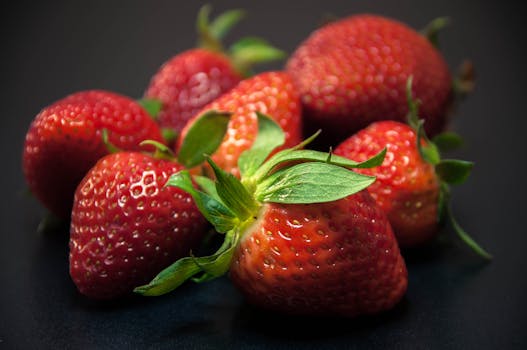
June is when the first proper harvests start rolling in. If it turns dry, watering suddenly matters a great deal, and keeping up your succession sowing is what stops the supply drying up later. The plot looks its best now, too.
Sow Indoors
- Late lettuces
- Basil successional
Sow Outdoors
- Succession salads (every 2wks)
- Dwarf French beans
- Autumn calabrese (direct)
- Spring onions
- Swede (early June)
- Winter squash
Harvest
- Broad beans
- Strawberries
- Lettuce & salads
- Spring onions
- Early peas
- Gooseberries
Key Jobs
- Pinch out tomato sideshoots weekly
- Water deeply and consistently
- Tie in climbing beans and tomatoes
- Watch for aphids, squash by hand or use a jet of water
- Weed regularly before weeds set seed
What June actually needs
From here on the plot is about water. June is when you build the system, before July makes you wish you had.
- Slimline water butt with stand and tap (search Amazon)
Free rainwater sat next to the beds, rather than forty trips to a shared standpipe. Get storage sorted before you automate anything. - 73m drip irrigation kit (search Amazon)
The cheap way to find out whether drip suits your plot. One kit covers four to six beds.
Halfway through the year, halfway down the page
From July onwards the plot stops being about sowing and starts being about water and harvest. Two things decide how much of the second half you enjoy:
- A watering system that runs without you — drip kits, water butts and tap timers compared, including what works on a plot with no mains tap.
- Knowing what's eating your crops — midsummer is when slugs, blight and cabbage white all turn up at once.
- The starter kit list — what's actually worth buying in year one, and what can wait.
July Midsummer
July is harvest, proper harvest. Turn your back on the courgettes for two days and you'll come back to marrows, and the beans need picking constantly or the plants pack up. Don't forget about autumn and winter crops, either. There's still time to get them in.
Sow Indoors
- Spring cabbage (modules)
- Overwintering salads
Sow Outdoors
- Turnips
- Autumn salad leaves
- Chicory & endive
- Pak choi & oriental leaves
Harvest
- Courgettes (daily!)
- French & runner beans
- Peas (maincrop)
- Garlic
- Summer raspberries
- Cucumbers
Key Jobs
- Harvest garlic when lower leaves die back; dry thoroughly
- Feed tomatoes with high-K feed weekly (first truss set)
- Lift shallots and dry in sun
- Water morning or evening; never in midday heat
- Remove yellowing lower leaves from tomatoes
What July actually needs
Peak watering, and the month most people take a fortnight off. Both problems have the same answer: something that waters the plot when you aren't there.
- RESTMO LCD 2-zone tap timer
Screws onto a tap or butt outlet and runs to a schedule. Two zones means the greenhouse and the beds can be on different timings. - GARDENA Micro-Drip raised bed set
The step up if you're staying on the plot for years. Modular, so it grows with you, and parts are still available a decade later. If you might give the plot up next year, the cheaper drip kit in the June list is the better buy.
August Late Summer
August is glut month. You'll have more than you can eat, so preserve it, freeze it, and foist it on the neighbours. Get your autumn and winter sowings in sharpish, because the window's closing fast. And keep a close watch on the tomatoes for the first signs of blight.
Sow Indoors
- Overwintering lettuce
- Salads for cold frame
- Corn salad (mâche)
- Japanese onions
Sow Outdoors
- Autumn salad mix
- Spinach (overwintering)
- Radishes
- Spring onions (White Lisbon)
- Oriental leaves
Harvest
- Tomatoes
- Courgettes & squash
- Runner beans
- Sweetcorn
- Aubergines (warm years)
- Plums & damsons
Key Jobs
- Cut and dry herbs for winter (oregano, thyme, sage)
- Propagate strawberry runners for new plants
- Remove blight-affected tomato material; don't compost
- Keep picking beans, stopping picking = end of crop
- Begin clearing spent crops and composting
What August actually needs
Harvest is constant and the autumn and winter sowings still need doing. Watering matters more than it did in July, because the plants are bigger.
- Hardys 10L watering can
For spot watering the things that have just gone in. A rose head matters here, since a bare spout washes small seed straight out of the drill. - Garden Pack grow-your-own veg seeds, 20 varieties
August is the last useful window for winter salads, spring cabbage, chard and overwintering onions. A mixed pack covers most of it.
September Early Autumn
September is harvesting, storing, and tidying up for the turn of the year. The maincrop spuds come out of the ground, the squash get cured, and the whole plot starts leaning towards winter. Garlic can wait a few weeks: the RHS says it is usually planted from mid-autumn to early winter, so get its bed ready now and plant in October.
Sow Indoors
- Overwintering lettuce
- Land cress
- Claytonia (winter purslane)
Sow Outdoors
- Overwintering onion sets
- Green manures
Harvest
- Maincrop potatoes
- Sweetcorn
- Squash (cure & store)
- Apples & pears
- Tomatoes (last)
- Chard & kale
Key Jobs
- Lift maincrop potatoes; cure on surface for a few hours then store in paper sacks
- Cure squash in sun for 10–14 days to harden skins
- Clear summer crops and add to compost
- Apply compost to cleared beds
- Net brassicas for autumn pests
What September actually needs
The plot starts emptying, and everything that comes off it has to go somewhere. September is composting month.
- Blackwall Compost Converter, 330L (search Amazon)
All the spent crops, weeds and prunings coming off now become next year's soil improver. A converter-style bin holds a plot's worth without sprawling. - RHS Agralan Enviromesh insect netting
Pigeons switch to brassicas as the rest of the plot clears. Winter cabbage and kale need covering from here through to spring.
October Mid Autumn
October is the big garlic month. Get the cloves in now and you're set up for a cracking crop come July. Otherwise it's heads-down stuff: clearing spent crops, piling on the compost, and getting beds ready for next year.
Sow Indoors
- Little this month
- Overwintering salads (glasshouse)
Sow Outdoors
- Garlic cloves
- Overwintering onion sets
- Broad beans (milder areas)
- Green manures on bare soil
Harvest
- Leeks
- Kale
- Chard
- Carrots (lift & store)
- Squash (stored)
- Apples
Key Jobs
- Plant garlic: pointed end up, 15cm apart, with the tip 2.5cm below the surface (no deeper in heavy soil)
- Lift and store carrots and beetroot in sand
- Add compost to all cleared beds
- Collect leaves for leaf mould (brilliant soil conditioner)
- Cut down spent bean plants; leave roots to add nitrogen
What October actually needs
Garlic and overwintering onions go in this month, and anything staying out through winter needs covering.
- Garlic bulbs for autumn planting
Garlic needs a cold spell to split into cloves properly, so autumn planting gives you far bigger bulbs than a spring one. Supermarket garlic won't do it. - GardenGloss frost protection fleece (search Amazon)
For draping over winter crops on the cold nights. A cheap roll is fine for this job.
November Late Autumn
November slows right down, though there's still plenty worth doing. It's the month for winter digging if you're a digger, patching up the shed and beds, and generally putting the plot to bed for the cold.
Sow Indoors
- Garlic (late sowings)
Sow Outdoors
- Garlic (early November)
- Overwintering broad beans (milder areas)
Harvest
- Leeks
- PSB (early spears)
- Kale
- Parsnips (better after frost)
- Celery
- Jerusalem artichokes
Key Jobs
- Winter digging of unimproved heavy clay if not no-dig
- Check and repair shed, fences, raised beds
- Drain and store hosepipes before frost
- Cover empty beds with cardboard + compost mulch
- Order seed catalogues; start making wish lists
What November actually needs
Winter digging starts, and the plot needs putting to bed. Two jobs, and both of them are about next spring rather than this month.
- Spear & Jackson stainless digging fork
Turning over heavy ground now lets the frost break the clods down for you over winter, which saves a great deal of work in March. - Horticultural garden fleece, 3m x 10m
Leeks, parsnips and winter brassicas will stand the cold, but a cover keeps them cleaner and stops the worst of the wind burn.
December Midwinter
December is for putting your feet up and thinking. Sit down with the seed catalogues, jot down what did well and what didn't, and get your order in early. The popular varieties have a habit of selling out by January.
Sow Indoors
- Nothing yet, rest!
- Microgreens if keen
Sow Outdoors
- Nothing this month
Harvest
- Leeks
- Parsnips
- Brussels sprouts
- Kale
- Stored squash, roots, onions
Key Jobs
- Review the year: what worked, what failed, what to change
- Order seeds for next year. Do it early for best choice
- Sketch bed plans for the coming season
- Check stored produce and use anything showing signs of rot
- Walk the plot; observe what needs attention in spring
What December actually needs
There is almost nothing to do outdoors, which makes it the right month to fix your tools and order next year's seed while there's still choice.
- Spear & Jackson hand trowel & weeder set
Cleaning, oiling and sharpening in December means you aren't doing it in the one dry week of March when you'd rather be sowing. - Grand Seed growing kit, 30 veg varieties
Seed catalogues sell out of the popular varieties by February. Ordering now costs the same and gets you what you actually wanted.
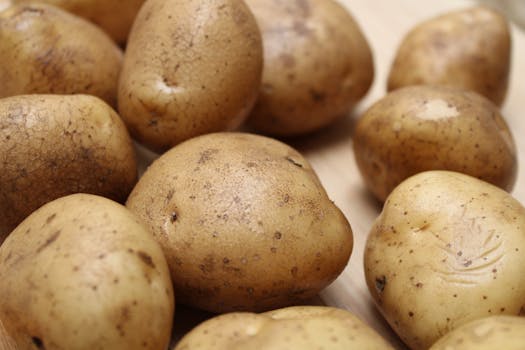
Best Vegetables for Beginners
When you're starting out, the sheer choice can leave you frozen. My advice is to pick a few crops that are hard to kill and quick to reward you, because nothing keeps you coming back like an early win. These are the ones I'd point any first-year plot-holder towards:
- Courgettes, almost impossible to kill and they crop like there's no tomorrow. Plant out after the last frost and keep them watered.
- First early potatoes. Few things beat tipping out that first bucket. 'Swift', 'Rocket', or 'Arran Pilot' won't let you down.
- Runner beans, quick, generous, and lovely to look at in flower. Give them a solid wigwam to climb.
- Salad leaves. Go for cut-and-come-again types and you'll be picking within weeks. Sow a fresh lot every 3 weeks and you'll never run short.
- Radishes, 25 days from sowing to your plate. Brilliant for a confidence boost and for filling odd gaps.
- Spring onions, sow them thickly straight into the ground and pull as you need them. Next to no fuss and you'll use them constantly.
- Broad beans. Sow in autumn or early spring. About as dependable as UK crops get.
- Kale, barely troubled by anything bar pigeons and caterpillars, shrugs off frost, and keeps cropping for months.
All eight are covered in the sowing and planting calendar with proper sowing windows, and if you're still waiting on a plot, the beginner's guide is the place to start. First year on the ground? A cheap variety pack of veg seeds covers most of this list for less than a takeaway.
Underrated Crops Worth Growing
Past the usual allotment favourites sit a handful of crops that quietly out-do the popular ones, whether for ease, sheer yield, or flavour. Here are the ones I'd not be without:
- Chard and perpetual spinach, ridiculously productive over a long, long season. Pick the outer leaves and the plants just keep coming back for months.
- Climbing French beans, more crop per square foot than runner beans, and to my mind the better flavour too. 'Cobra' and 'Blauhilde' are both cracking.
- Fennel (Florence). A bit fiddly to get right, but the bulb has an aniseed flavour you'll struggle to buy anywhere near as fresh.
- Borlotti beans, eat them fresh from the pod or dry them for winter soups. The pods are gorgeously marbled and they store without any drama.
- Celeriac. It wants a long season, but you're rewarded with a knobbly, useful root that keeps right through winter.
- Land cress, a peppery watercress stand-in that's happy in ordinary soil. Sow it in summer and you'll have winter salads.
- Jerusalem artichokes, nearly impossible to kill, crop by the bucketload, and taste superb roasted. Hem them in with a root barrier or they'll take over.
Succession Sowing Explained
If there's one habit worth picking up early, it's succession sowing. Instead of sowing a whole packet in one go, you sow a little and often, a short row every couple of weeks. It's the difference between a wall of lettuce all bolting at once and a steady trickle you actually get to eat. Less waste, more on the plate, and the plot earning its keep for longer.
The crops that suit it best are salad leaves, radishes, spring onions, lettuce, and beetroot. Sow a short row every 2–3 weeks from March right through to August and you'll be picking steadily rather than drowning in a glut one week and staring at bare soil the next.
You can stretch beans and peas out the same way, though runner beans crop for so long if you keep picking them that a single sowing usually does the job. And courgettes? One or two plants will bury most families. Don't ask me how I learned that.
Understanding Frost Dates in the UK
There's no single last-frost date for the UK. It swings wildly depending on where you are, how high up you are, and the quirks of your own little corner. The dates in the sowing calendar assume the south-and-Midlands timings below; shift them by a fortnight either way if you're further north or on the coast. As a rough steer:
- South West and coastal areas: Last frost typically mid-April; first autumn frost October–November.
- South and Midlands: Last frost typically mid-May; first autumn frost October.
- North of England: Last frost late May; first autumn frost late September–October.
- Scotland and high ground: Last frost June in some areas; first autumn frost September.
Trust your local forecast over any average date. A clear, still night after a warm dry day can drop a nasty ground frost on you well into May across much of the country, and it only takes one to flatten your tender plants. So keep a roll of fleece within reach any time something soft is out in spring or autumn. It's saved my courgettes more than once.
UK Regional Sowing Adjustment Guide
The table below tells you how to nudge the calendar above to suit where you live. Everything in the main calendar is set for the UK Midlands, roughly Birmingham's latitude. Down on the south coast you've got one of the kindest climates in Britain to play with. Up in Aberdeen or the Highlands, you're working with one of the shortest seasons going. Same advice, very different start dates.
If you're still working out which beds to give over to what, our allotment layout guide takes you through planning the whole plot. And if you've only just got the keys to your patch, start with the beginner's guide.