
Why the wait is so long
Looking for your council's waiting time?
This page is about what to do while you wait. If you want the numbers, we keep a separate sortable table of waiting times for 42 UK councils, from Croydon's 18 months to the decade-long queues, plus the councils whose lists are shut outright. See the council-by-council allotment waiting times table →
The maths is simple and depressing. There are roughly 330,000 plots in England and Wales, and that number has barely moved in decades. Demand has gone through the roof. A handful of councils have opened new sites or rescued disused land, but nowhere near fast enough to clear the backlog.
So if you've put your name down and been told to expect several years, you're not being fobbed off. Demand has been climbing for well over a decade, and the pandemic poured petrol on it. Suddenly everyone wanted to grow their own, and the plots to absorb them were never built.
Know Your Wait
Ring the council's allotment team and ask where you sit on the list. Some hide behind GDPR and won't give you a number, but most will at least tell you roughly how long you're looking at. Note the date you applied and keep the confirmation. If a dispute ever crops up about your place in the queue, that record is the only thing that'll save you.
Not prepared to wait years?
Private allotment sites are opening near a growing number of UK towns, at a higher rent than the council. Providers such as Roots Allotments and AllotMe take enquiries directly; we have no arrangement with them and don’t pass details on.
Getting on Multiple Waiting Lists
If you do one thing, do this: get your name on as many lists as you can. It's perfectly legal, everyone does it, and it's far and away the quickest route to a plot. A few ways to play it cleverly:
- Apply to every site in your area, not just the one round the corner. A plot fifteen minutes' cycle away is still a plot.
- Look just over the border. If you live near the edge of your council's patch, the neighbouring authority might take you. Most only accept their own residents, but a few will let you on if you work locally. Worth a phone call.
- Track down privately run sites. They sit outside the council system entirely, keep their own lists, and those lists often shift faster.
- Join the society lists too. Some sites are run by their own tenant associations with a completely separate process.
- Keep every confirmation. When a plot finally comes up you might get a letter, a call, or an email, sometimes at short notice. Make sure every list has your current details.
When an Offer Comes In
Some councils give you as little as 48 hours to say yes before the offer drops to the next name down. Keep your contact details current and watch your post and inbox through spring and summer, which is when most plots change hands.
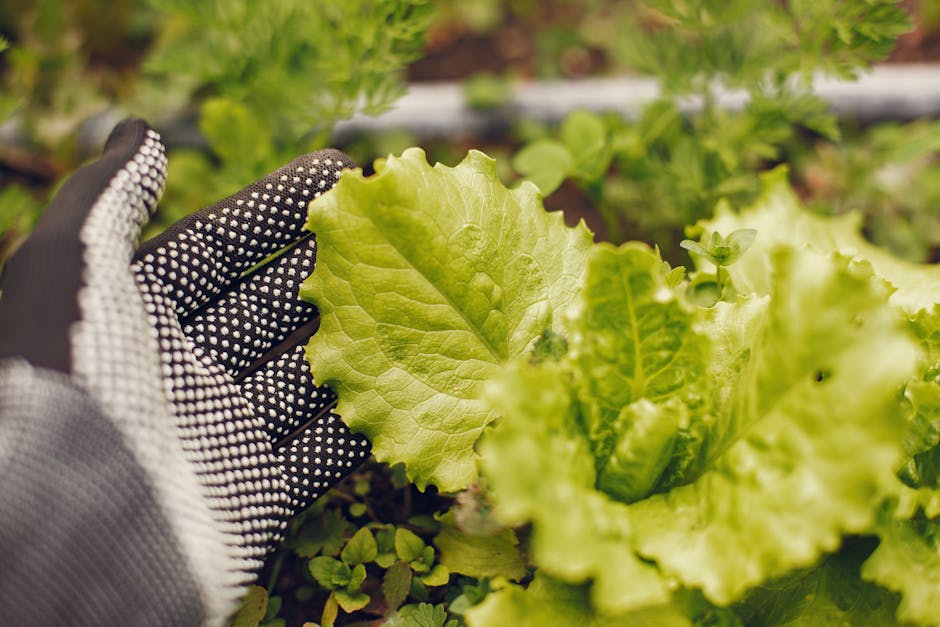
What to Grow While You Wait
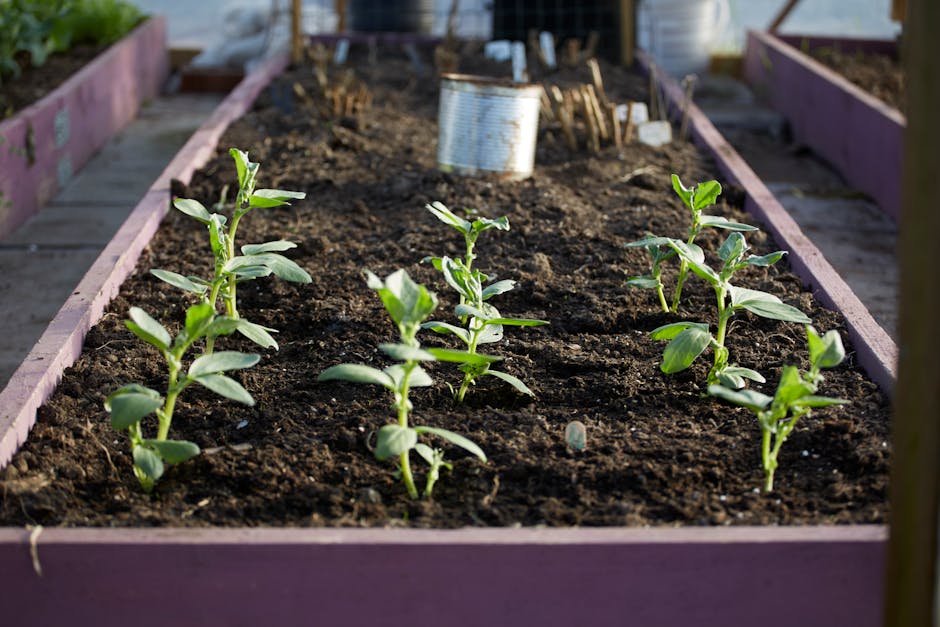
No plot? No excuse. You'd be amazed how much you can grow in a couple of square metres, or honestly, with no garden at all. If you have a patio or a strip of lawn, a raised bed or two will grow most of what a starter plot grows — our raised bed kit guide starts at £27, there's a separate guide to metal beds if you want something that outlasts timber, and the soil calculator tells you how much compost to order.
Container Growing
Tomatoes, courgettes, peppers, herbs, salad, strawberries, even spuds will all crop happily in pots on a patio, balcony, or doorstep. Go as big as you can lug. Larger containers hold their water for longer and give roots room to spread, which is half the battle in a dry July.

Grow Bags
One standard grow bag holds 3 tomato plants, or a generous run of salad. Stack two if you want depth for something rooty. Cheap as chips, and you can move them off the path when guests come round.

Window Boxes
Herbs (basil, parsley, chives, thyme, rosemary), cut-and-come-again salad, radishes, spring onions. They all thrive in a window box. A south-facing sill earns its keep more than people expect.

Indoor Growing
Microgreens (sunflower, pea, radish, cress) go from sown to plate in 7–14 days, on a kitchen sill, any month of the year. Punchy flavour, barely any space, and instant gratification while the big stuff is months off.

Community Gardens
Plenty of towns run community growing spaces that skip the allotment waiting list entirely. Hunt for one near you through the RHS or your council's green spaces pages.

Guerrilla Gardening
Quietly planting up a scruffy patch of public land has a long history in British cities. Know the local rules, don't annoy anyone, and stick to tough, low-fuss plants that'll fend for themselves.
Best Crops for Container Growing
Some veg take to pots far better than others. After a few seasons of trial and error on a small patio, these are the ones I'd back every time:
- Tomatoes. Tumbling types (Tumbling Tom, Gartenperle) spill beautifully out of hanging baskets and small pots. Cordon varieties want a big pot, 30cm at least, and a stake to climb.
- Chillies and peppers. Compact, generous croppers, perfectly content in a pot. Give them warmth and somewhere out of the wind.
- Salad leaves. Cut-and-come-again mixes in a shallow tray or window box keep cropping for weeks on end.
- Herbs. Basil, chives, parsley, coriander, thyme, rosemary. And mint, but keep it in its own pot or it'll bully everything else.
- Strawberries. Made for hanging baskets and window boxes. Alpine types fruit on and on right through the season.
- French beans. Dwarf varieties like 'The Prince' or 'Safari' churn out pods from a single large pot.
- Potatoes. A grow bag, a big tub, even an old hessian sack does the job. First earlies suit containers best.
- Courgettes. One plant per huge container, 40cm minimum. Feed it well and water every day once it's hot, or you'll get powdery mildew and sulking.
Skills to Build Before You Get Your Plot
Treat the wait as a head start. The people who turn up to a new plot already knowing how to sow, compost, and read the seasons get a great deal more out of their first year than those learning it all on the hoof.
-

Composting
Get a bin going now, however small. Working out what to chuck in, what to leave out, and how to keep it ticking over takes a season or two to feel natural. By the time the plot lands, you'll know the ropes and have a barrowful of finished compost to bring with you.
-

Seed Sowing and Propagation
Get a feel for sowing into modules and pots on the windowsill. Some seeds want warmth to fire up, others prefer it cool, and you only really learn which is which by killing a few. Have a go at saving seed from shop-bought tomatoes, squash, and beans while you're at it.
-

Worm Composting
A wormery suits a flat or a tiny yard and turns out cracking liquid feed alongside the compost. It's also a lovely way to get your head round soil life before you've any soil of your own to dig.
-

Grow Journals and Record Keeping
Start a journal now. What you sowed, when, how it did, what the weather threw at you. It sounds fussy until year three, when you flick back and realise you've built your own private almanac that beats any book for your patch.
-

Basic Repair and Making
Learn to put an edge on a spade, knock together a raised bed frame or a cloche, and fix the small stuff yourself. None of it's hard, and it'll save you a fortune in shop-bought kit once you've a plot to maintain.
-

Food Preservation
Practise pickling, fermenting, bottling, and freezing now, with whatever's cheap at the market. Nobody warns you that the real allotment problem isn't scarcity, it's a wheelbarrow of courgettes in August. Knowing how to put a glut by stops it all going on the compost heap.
Kit for Building These Skills at Home
A few low-cost bits let you practise composting, sowing and preserving long before the plot arrives. As an Amazon Associate, we earn from qualifying purchases.
- Wormery composter. Fits a flat or tiny yard and turns kitchen scraps into rich liquid feed.
- View on Amazon. Get a heap going now so you arrive with a barrowful of finished compost. See our best compost bins guide.
- View on Amazon. Practise module sowing and get a feel for what needs warmth to germinate.
- Kilner preserving jars (12 x 0.5L). Get pickling and bottling sorted before the August glut lands.
Planning Your Dream Allotment
Spend some of the wait daydreaming with a purpose. Picture what you actually want from the plot and roughly how you'd lay it out. Even a sketch on the back of an envelope puts you streets ahead of someone who turns up and just starts digging.
If any local sites open to the public, go and have a nose round. Better still, ask whether you can walk the site you're queuing for, especially on an open day, which most societies hold at some point. Seeing how the old hands have arranged their beds, run their water, and laid their paths teaches you more in an afternoon than weeks of reading.
And do read. The RHS Encyclopaedia of Gardening is the doorstop you'll keep coming back to. Charles Dowding on no-dig is well worth your time, and Monty Don writes about allotments in a way that inspires without pretending it's all sunshine. Have a look at our growing calendar too, so the rhythm of the seasons is already in your head before the plot's in your hands.
Plenty of working plot-holders post on YouTube as well. Huw Richards, Charles Dowding, and the RHS channel are all genuinely useful. Steer clear of the ones chasing pretty shots over honest advice. You can tell within a minute which is which.
No Dig Organic Home & Garden, Charles Dowding
No-dig from the man who popularised it. It's practical, it's backed by his own beds rather than wishful thinking, and it changed how I garden.
RHS Grow Your Own Veg, Carol Klein
Clearly written, nicely photographed, and broad enough to cover just about every veg you'll fancy a go at. A solid first reference.
allotment.org.uk
The biggest allotment forum in the country, with decades of advice and a friendly crowd. Search before you post though. Whatever you're stuck on, someone asked it back in 2009.
National Allotment Society (NAS)
nsalg.org.uk, the national body for plot-holders. Join up and you get resources, legal backing if things go sour with a landlord, and insurance options.
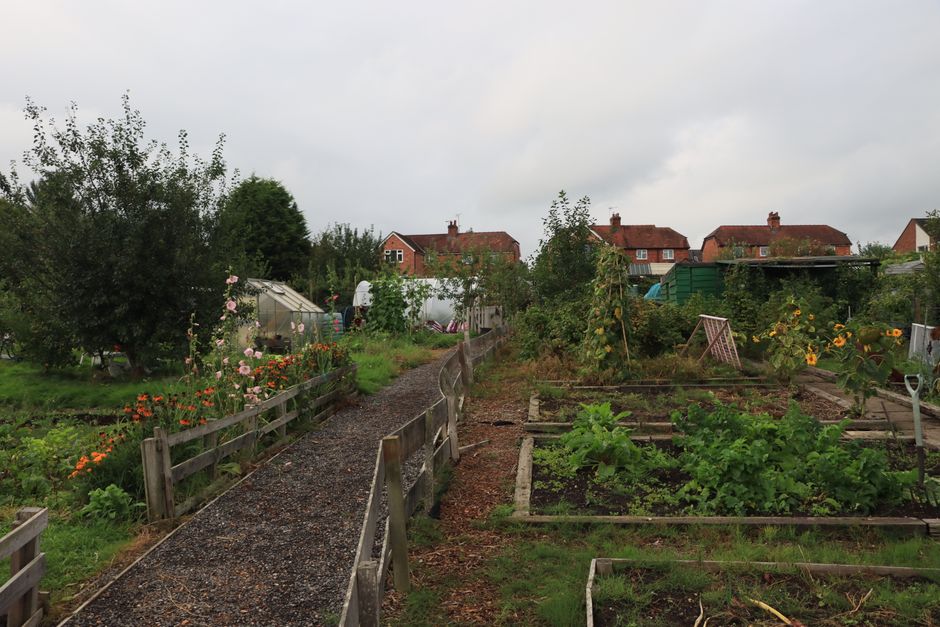
Private Allotment Sites as Alternatives
If your council list stretches into the next decade, take private sites seriously. You'll pay more, but you often get something for it:
- Shorter or no waiting lists
- Better-maintained infrastructure (paths, water supply, sometimes toilets)
- More flexible plot sizes
- Sometimes better security
The catch is twofold. Cost, first of all: private plots can run £150–£400+ a year, against a council plot's pocket money. And security. A private landlord isn't tied to the statutory protections councils are, so you could lose the plot at shorter notice. Read the tenancy agreement properly before you sign anything.
You'll usually find these through a bit of online digging, local Facebook groups, or word of mouth around farms and estates. A few country estates and National Trust properties let local residents take on growing plots too, so it's worth asking.
Private plots, no waiting list
Private allotment sites are opening near a growing number of UK towns, at a higher rent than the council. Providers such as Roots Allotments and AllotMe take enquiries directly; we have no arrangement with them and don’t pass details on.
Community Growing and Shared Spaces
A community garden is a different animal to an allotment. Instead of your own fenced-off plot, you grow alongside other people in a shared space. The upsides are genuine: little or no cost, good company, and a gentler way in for beginners who'd rather not be left entirely to their own devices.
Track one down through Incredible Edible (incredibleedible.org.uk), the RHS community gardens directory, or your council's green spaces pages. Most will happily take volunteers even when there's no space going, and a few sessions of mucking in teaches you plenty while the list ticks down.
When the call finally comes, our complete beginner's guide takes you from bare soil to first harvest, and the layout planning guide helps you wring something out of every last square metre.
Start Growing at Home While You Wait
No allotment, no problem. All of this works on a patio, a balcony, or a windowsill. As an Amazon Associate, we earn from qualifying purchases.
- Large plant pots vegetables. Grow tomatoes, courgettes, and herbs in containers on a patio or balcony.
- Vegetable seeds UK. Start with easy crops: salad leaves, radish, herbs, and tomatoes.
- Garden grow bag vegetables, Cheap, disposable growing bags, perfect for tomatoes and salad crops.