Agralan Enviromesh fine insect netting, 2.1m x 4.5m
Check the current price on Amazon.
As an Amazon Associate we earn from qualifying purchases.
Our Top Picks
These are the ones worth your money out of what's easy to get hold of in the UK. All the links go to Amazon. As an Amazon Associate, we earn from qualifying purchases.
Agralan Enviromesh Fine Insect Netting, 2.1m x 4.5m
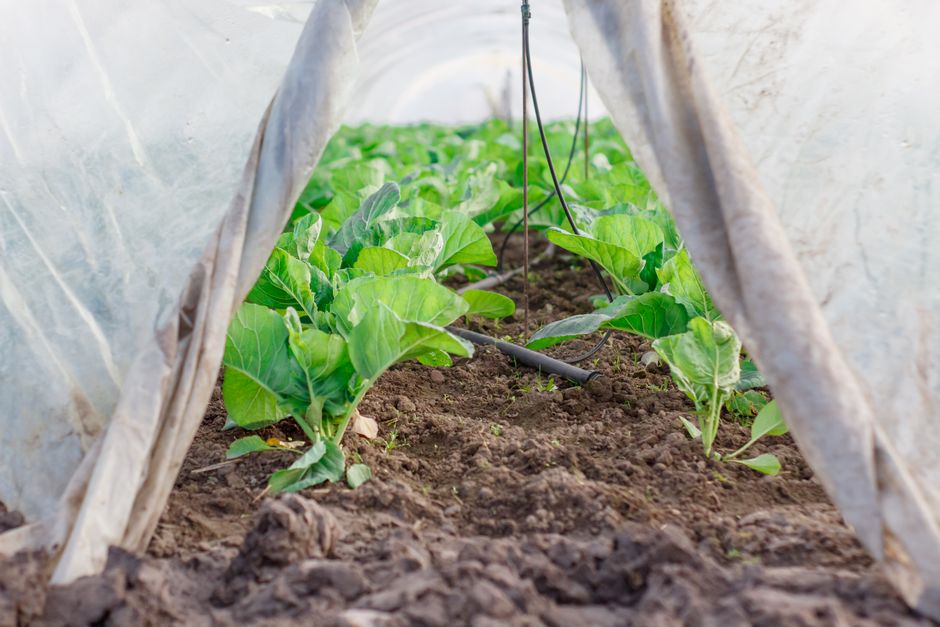
Enviromesh is Agralan's mesh, sold on Amazon under the RHS licence, and the fine grade is what you want for brassicas. The holes are too small for a cabbage white to lay through, and light and rain still pass, so you can leave it on and largely forget it. If you grow any cabbage family crop, this is the single thing I'd buy first. The sheet is 2.1m x 4.5m. Note that Harrod Horticultural sell insect mesh under their own name direct, not through Amazon, so we can't link to theirs.
- Stops cabbage white butterflies
- Lets light and rain through
- 2.1m x 4.5m sheet
- Lightweight, easy to handle
Heavy Duty Garden Bird Netting 4m x 10m
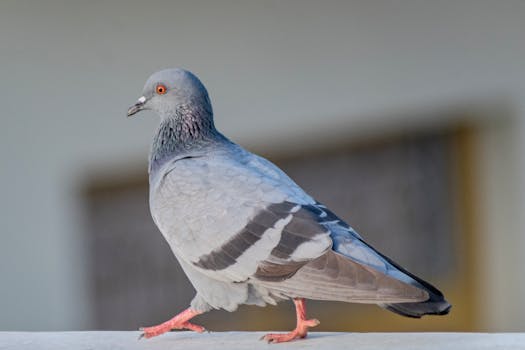
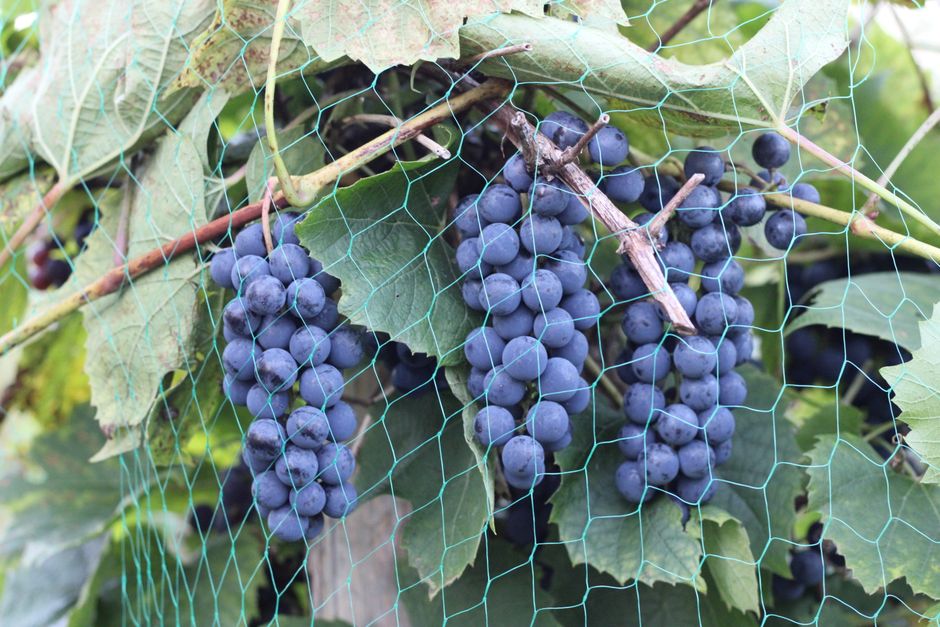
This is what goes over the fruit bushes, the strawberries and the pea row when the pigeons decide they've got first claim. Throw it over a few hoops or drape it straight on. The 20mm mesh matters: it keeps birds off the crop without the fine stuff that catches them and hedgehogs by the legs.
- 20mm mesh, wildlife-safe
- Generous 4m x 10m coverage
- UV-stabilised for longevity
- Lightweight, easy to drape
HORTICULTURAL FLEECE 1.5m x 10m
A couple of layers of this will see your crops through a frost down to about -5C. It's how you get away with sowing early and how you keep tender stuff alive when a cold snap comes out of nowhere. Light still gets through and it holds a pocket of warm air underneath. October to March is when it earns its keep.
- Frost protection down to -5C
- Lets light through
- Advances sowing by 2-4 weeks
- Reusable for several seasons
Slug Gone Wool Pellets
Slugs and snails hate dragging themselves across the coarse wool, so a ring of these round your seedlings actually stops them. No poison, nothing to worry about near pets or the kids, and it breaks down into the soil and feeds it. The real selling point is that it keeps working in the wet, which is exactly when slug pellets turn to mush and give up.
- Natural and non-toxic
- Works in wet weather unlike pellets
- Also suppresses weeds
- Biodegradable, adds nitrogen to soil
Frequently Asked Questions
What size mesh should I use for allotment netting?
For birds, go with 20mm mesh. That's the smallest the RSPB calls wildlife-safe, so things don't get tangled in it. For insects you want the fine 7mm stuff instead. Whatever you do, steer clear of the cheap diamond-mesh netting. It catches birds and hedgehogs and you'll find them dead in it.
Do I need both netting and fleece?
You do, because they're not doing the same job. Netting is your defence against birds and insects. Fleece is your defence against frost and cold wind. In practice most of us leave insect netting over the brassicas all year and only reach for fleece on the tender crops in spring and autumn.
How do I secure netting on an allotment?
Push a few metal hoops into the soil and drape the netting over the top, so it's held clear of the plants. Pin the edges down with u-pins or just weigh them with bricks and a bit of soil. The mistake to avoid is letting it lie loose on the crop, because birds get under it and trapped.
When should I put fleece on my allotment?
October to March to nurse overwintering crops through the cold, then March to May to push early sowings on by a couple of weeks. Just remember to pull it back on warm days so the bees can get at the flowers.
How We Choose
We go for kit that lasts, doesn't cost silly money, and is easy to buy in the UK. Established brands with a warranty behind them win out, because spare parts still exist three years on. Prices correct as of April 2026.