Companion planting just means putting the right crops side by side so they help each other along, whether that's pulling in pollinators, confusing pests, or simply making better use of the bed. Some pairings have trial evidence behind them and some are garden tradition, and the chart marks which is which.
The chart below covers 34 of the most-grown UK allotment crops and well over 100 pairings. Find your crop in the left column, sit its good companions nearby, and keep the troublemakers at the far end. Download the free printable PDF (no email needed, and it's sized to pin up on the shed wall).
Some links on this page are affiliate links. As an Amazon Associate we earn from qualifying purchases, at no extra cost to you.
UK Companion Planting Chart
This chart is checked against RHS and Garden Organic trial results. The flowers that feed predatory insects have real evidence behind them; the carrot-and-onion and beans-feed-their-neighbours classics do not, and the chart marks both.
✔ backed by UK trials (RHS / Garden Organic) · ✘ tested and not supported · unmarked = traditional pairing, unproven either way
On a phone, swipe the chart sideways to see the plants to keep away from each crop. The crop names stay in place while you scroll.
| Crop | Good companions | Avoid planting near |
|---|---|---|
Tomatoes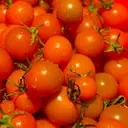 | Basil, carrots, parsley, marigolds✔, chives, asparagus | Brassicas, fennel, potatoes, sweetcorn |
Carrots | Onions✘, leeks✘, rosemary, lettuce, peas, chives | Dill, parsnips, celery |
Potatoes | Beans, peas, sweetcorn, marigolds, horseradish, cabbage | Tomatoes, aubergines, peppers, cucumber, squash |
Runner & French beans | Nasturtiums✔, sweetcorn, squash, carrots, lettuce, potatoes, courgettes | Onions, garlic, leeks, fennel |
Peas | Carrots, sweetcorn, radish, beans, turnips, cucumber | Onions, garlic, shallots |
Courgettes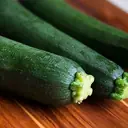 | Beans, sweetcorn, peas, radish, nasturtiums, borage | Potatoes, pumpkins (mildew risk) |
Pumpkins & squash | Sweetcorn, beans, nasturtiums, borage | Potatoes, courgettes |
Cabbage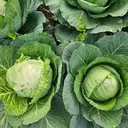 | Onions, celery, dill, chamomile, beetroot, potatoes | Tomatoes, strawberries, runner beans |
Brussels sprouts | Onions, beetroot, dill, nasturtiums, potatoes | Strawberries, tomatoes |
Cauliflower | Celery, beans, onions, spinach, beetroot | Tomatoes, strawberries |
Broccoli | Onions, celery, dill, beetroot, potatoes | Tomatoes, strawberries, runner beans |
Kale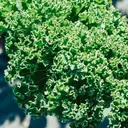 | Beetroot, onions, herbs, potatoes, nasturtiums | Tomatoes, strawberries |
Onions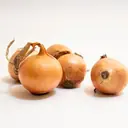 | Carrots✘, beetroot, lettuce, brassicas, leeks, strawberries | Peas, beans, asparagus |
Leeks | Carrots✘, celery, onions, beetroot | Peas, beans, broad beans |
Garlic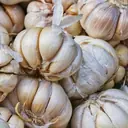 | Carrots, beetroot, tomatoes, roses, fruit trees | Peas, beans, asparagus |
Beetroot | Onions, lettuce, cabbage, kohlrabi, bush beans | Runner beans, climbing beans |
Lettuce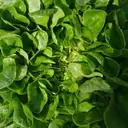 | Alyssum✔, carrots, radish, beetroot, onions, strawberries | Parsley, celery |
Spinach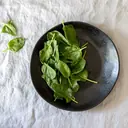 | Strawberries, brassicas, beans, peas, radish | No major antagonists |
Radish | Peas, lettuce, cucumber, beans, spinach, nasturtiums | Hyssop |
Cucumber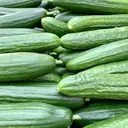 | Beans, peas, radish, sweetcorn, sunflowers, dill | Potatoes, aromatic herbs (sage) |
Sweetcorn | Beans, squash, peas, cucumber, potatoes (Three Sisters) | Tomatoes |
Broad beans | Potatoes, sweetcorn, brassicas, carrots | Onions, garlic |
Parsnips | Peas, radish, lettuce, beans, garlic | Carrots, celery |
Turnips & swede | Peas, beans, lettuce, onions | Potatoes, mustard |
Strawberries | Beans, lettuce, spinach, onions, borage, thyme | Brassicas, fennel |
Aubergines | Beans, peppers, spinach, marigolds, tarragon | Potatoes, fennel |
Peppers & chillies | Basil, onions, carrots, tomatoes, marigolds | Fennel, brassicas |
Celery | Leeks, brassicas, tomatoes, beans, onions | Carrots, parsnips, parsley |
Asparagus | Tomatoes, basil, parsley, marigolds | Onions, garlic, potatoes |
Pumpkin (storage) | Sweetcorn, beans, nasturtiums | Potatoes |
Chard | Beans, brassicas, onions, lettuce | No major antagonists |
Kohlrabi | Beetroot, onions, cucumber, lettuce | Tomatoes, runner beans, strawberries |
Rhubarb | Brassicas, garlic, onions, strawberries, columbine | Dock, thistle and other deep-rooted perennial weeds — nothing edible, but they will take the crown |
Jerusalem artichokes | Sweetcorn, cucumbers, peas — anything that likes a windbreak on the north side | Almost everything short. They hit 2m+ and will shade out whatever is behind them |
Download this chart as a free printable PDF
Printing from your browser instead? Open Print (Ctrl+P, or Cmd+P on a Mac), check the preview and set the page range to the pages the chart is on.
Planting companions this year?
Marigolds and nasturtiums are the workhorses. A mixed flower seed kit is the easy way to get both; check the listing names marigolds and nasturtiums before you order.

Share this chart on your site or newsletter
Use the chart or the printable PDF wherever you like, including allotment society newsletters, school gardening clubs and blog posts, as long as you credit us with a link back. No permission needed. Copy one of these:
For a website or blog
For a printed newsletter or handout
The Three Sisters Method
The most famous trio of all: sweetcorn, climbing beans and squash. The corn stands tall and the beans climb it, so you skip the canes. The squash sprawls across the ground below, smothering weeds and holding moisture in the soil. The beans bank nitrogen in their roots, which feeds whatever you plant on that spot the following year rather than the corn standing next to them. Whether the three grown together actually crop better than the same three grown apart is still an open question, and the RHS says as much. As a way of packing three crops into one patch, though, it does the job.

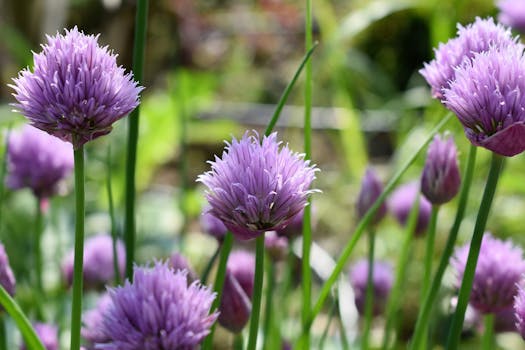
Flowers That Help
- Marigolds: French marigolds (Tagetes) are the ones with trial work behind them, against greenhouse whitefly. Dot them round the tomatoes and beans.
- Nasturtiums: A sacrificial crop. The aphids pile onto these and leave your veg alone.
- Lavender: Keeps moths and fleas at bay while pulling in the pollinators.
- Borage: A magnet for bees, and it's said to sweeten strawberries and tomatoes growing nearby.
All four grow easily from seed sown straight into the bed. Buying them separately gets fiddly, so a 24-variety flower kit is the lazy way in: marigold and nasturtium are both in there, alongside a bee and butterfly mix. Borage you'll usually have to buy on its own.
Working out where everything goes?
Companion planting only works if the beds are laid out to allow it. Our allotment layout guide covers bed widths and rotation, and the sowing calendar tells you when each of these goes in. Before spring sowing starts, the February jobs list covers ground preparation and the March list covers the first sowings straight into the soil.
The Classic Pairings, and What They Actually Do
A chart tells you what goes where, but knowing why a pairing earns its place makes it far easier to improvise when the bed you had in mind is already full. These are the four everyone quotes — including the one that doesn't do what it's famous for.
Carrots and onions
The most famous pairing on any chart, and the one that has come off worst under testing. The idea is that the allium scent masks the carrots from carrot fly. Garden Organic ran the trials and the results came back inconsistent, and its read is that the fly locates carrots more by visual signals than by smell. So plant them together by all means — they're good neighbours for other reasons below — but the thing that actually keeps carrot fly off a crop is a fine mesh barrier. Our pest and disease guide covers the mesh heights that stop them properly.
What the pairing does earn its place on is space. Carrots go down and onions stay shallow, so the two aren't competing for the same water and nutrients the way two similar root crops would. Mixed beds also carry more predatory insects than a single-crop bed, which helps across the board rather than against one specific pest. Both are good reasons to interplant. Neither is scent-masking.
Tomatoes and basil
Basil is supposed to repel whitefly. Whether it manages that in an open UK summer is debatable, but the two want the same warm, sheltered spot and the same watering, so they make easy bedfellows in the greenhouse. You also end up with both halves of a decent salad within arm's reach.
Beans before brassicas
Peas and beans bank nitrogen in nodules on their roots. When the plants finish, cut them at the base instead of pulling them and the roots rot down to feed whatever follows. Hungry brassicas are the natural next tenant. This is where companion planting and crop rotation shake hands.
Nasturtiums under brassicas
A sacrificial trap. Cabbage whites will lay on nasturtiums by choice, and blackfly pile onto their soft growth, which takes some pressure off your kale and sprouts. Check the nasturtiums weekly and deal with what you find, or you've just built the pests a nursery.
Which Pairings Actually Have Evidence Behind Them
Companion planting carries more folklore per square metre than any other allotment subject, so it's worth being straight about which parts stand up. The flowers are where the evidence is. The RHS says alyssum grown among lettuce "has been shown to reduce aphid populations", because the nectar pulls in the insects that eat them. Nasturtiums as a sacrificial trap crop work for the same undramatic reason — cabbage whites and blackfly genuinely prefer them. French marigolds (Tagetes) have trial support against greenhouse whitefly, though the RHS attaches a caveat worth repeating: mixing tomatoes with other plants, without any Tagetes at all, had a similar effect. Something about the mixed planting is doing the work, not necessarily the marigold.
Two of the classics go the other way. Onions masking carrots from carrot fly "has been claimed", in the RHS's careful phrasing; Garden Organic tested it and got inconsistent results, concluding that visual signals matter more to the fly than scent. And beans feeding their neighbours nitrogen while they grow "has been shown to be not true" — the nitrogen goes into the roots for next year's crop, not sideways into this year's.
The warning case is Garden Organic's 2024 members' experiment on leeks. Intercropping with chard showed a trend against allium leaf miner, but the result was not statistically significant, and the chard significantly reduced marketable leek yield by 69%. Clover had very little effect either way. That's the honest shape of this subject: a companion can cost you more in yield than it saves you in pest damage. As the RHS puts it, it's likely all these benefits do exist, but not for every crop in every instance.
How Close Is "Planting Near"?
Closer than most people think for the good pairings, and less far than you'd fear for the bad ones. Interplanted pairs like carrots and onions need to share a bed to be worth doing at all, ideally rows within about 30cm. Flowers grown for pollinators and predatory insects work from anywhere on the plot; one clump of borage per bed is plenty.
For the "avoid" column, a full bed of separation is enough in almost every case. Nobody needs to redraw their plan because the tomatoes can see the cabbages. The two exceptions worth taking seriously: fennel, which sulks near almost everything and is best given its own corner, and the potato and tomato pairing, which share blight, so keep them as far apart as the plot allows. If you're laying out beds from scratch, our allotment layout guide shows rotation plans these pairings slot straight into. Interplanting this tightly only works in soil loose enough for roots to spread sideways, so run a fork through the bed first — the best garden forks for that job are not the expensive ones.
Spacing this tight is easiest to manage in galvanised steel raised beds, where the soil stays put and the edges hold their shape year after year.
When to Sow Companion Flowers
Companion flowers only pull their weight if they're up and flowering while the pests and pollinators are about, and that means sowing earlier than feels natural. Calendula and marigolds want a March or April start on a windowsill, or direct sowing in late April once the soil has some warmth in it. Nasturtium seeds are big enough to go straight in the ground from mid-April, and they'll be flowering by the time the blackfly arrive in June. Borage sown in April flowers from June to the first frosts, then self-seeds so enthusiastically you'll only ever buy one packet. Month-by-month timings for all of them are in the seed sowing calendar. Come autumn it is mostly a clearing job rather than a sowing one, and Allotment Jobs: September sets out what to pull up and what to leave standing for the beneficials.
Companion Planting Chart: Common Questions
What is companion planting?
It's the practice of growing certain crops side by side so they help one another, by repelling pests, attracting pollinators and beneficial insects, improving flavour, or making better use of space and soil. Our chart above pairs 34 common UK allotment crops with their best companions and the ones to keep apart.
Does companion planting actually work?
Some of it holds up and some is closer to folklore. Flowers are the part with real evidence behind them. The RHS points to alyssum grown among lettuce bringing aphid numbers down, because the nectar draws in the insects that eat them, and sacrificial planting genuinely works: nasturtiums will pull blackfly off your beans.
Two of the classics don't survive contact with the trials, though. Onions do not reliably hide carrots from carrot fly. Garden Organic's results came back inconsistent, and it looks like the fly goes more by sight than smell, so put mesh over them and treat the onions as a bonus. Beans don't feed their neighbours either. That one has actually been tested and it isn't true. What they do is bank nitrogen in their roots for whatever you plant there next year.
So treat the chart as a sensible starting point rather than a cast-iron rulebook.
Can I print the companion planting chart?
Yes. Use the free printable PDF above. It needs no email, prints onto a single sheet, and is sized to pin up on the shed or greenhouse wall.
What should you not plant together?
The most common clashes on a UK plot are tomatoes with brassicas or potatoes, onions and garlic near peas and beans, and carrots next to dill. The "avoid planting near" column in the chart lists the antagonists crop by crop.
What grows well with carrots?
Onions, leeks and chives are fine neighbours, because they root shallow while carrots go deep, so nothing competes below ground. Don't count on them against carrot fly, though — Garden Organic's trials of that pairing were inconsistent and the fly appears to hunt more by sight than smell. Lettuce and peas also sit happily alongside. Keep dill away, and if carrot fly is bad on your site, a fine mesh barrier is the only thing that stops it reliably.
How close together do companion plants need to be?
Same bed for interplanted pairs, with onions within about 30cm of the carrot row. Flowers for pollinators work from anywhere on the plot. For the "avoid" column, one bed of separation is nearly always enough; only fennel, and blight-sharers like potatoes and tomatoes, deserve real distance.