6x4 apex garden shed
Big enough for tools, canes and a chair, small enough for most plot rules. The size most sites allow without questions.
As an Amazon Associate I earn from qualifying purchases.
Top 5 Compared
| Shed | Size | Material | Security |
|---|---|---|---|
| Rowlinson 4x3 Apex | 4x3ft | Overlap timber | Hasp & staple |
| Forest Overlap 6x4 | 6x4ft | Overlap timber | Turn button |
| Yardmaster Metal 6x4 | 6x4ft | Galvanised steel | Padlockable |
| BillyOh Partner Apex | 6x4ft | Tongue & groove | Hasp & staple |
| Shire 8x6 Apex | 8x6ft | Tongue & groove | Fit your own lock |
These are shed families rather than single listings. We have not tested these sheds and we do not score them.
Security Tips
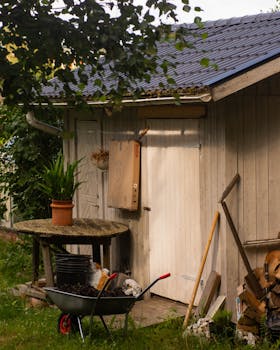
A shed sitting alone on a quiet site is a soft target, and most of us learn that the hard way. Go for tongue and groove rather than flimsy overlap, bin the cheap hasp it comes with and fit a proper lock, and either skip windows or fit opaque ones so nobody can see your kit and decide it's worth a visit.
What Size?
Read your tenancy agreement before you buy anything, because most societies cap you at 6x4 or 8x6 feet. A 4x3 holds the basics and not much else. If your site allows it, 6x4 is the size to aim for: enough room for tools, a chair, and somewhere to shelter when the rain comes in sideways.
Pro Tip
Stand it on paving slabs rather than straight on the soil. Sheds almost always rot from the floor up, and getting it off the wet ground buys you years. A coat of preserver each autumn does the rest.
Timber, metal or plastic?
Timber is what most plots end up with, and overlap boards are the budget way in — fine for tools, draughty for anything you'd rather keep dry. Tongue and groove costs more and is worth it: the boards lock together, so the shed stays rigid and rain stays out. Whatever you buy will arrive as a flat pack, and two people make the build an afternoon rather than a saga.
A galvanised metal shed like the Yardmaster solves rot and arson in one go, which is why you see them on sites that have had trouble. The trade-offs are condensation dripping on your kit (a cheap foil insulation layer under the roof sorts it) and a build that punishes impatience. Plastic resin sheds shrug off damp entirely, but the good ones cost more than timber and some societies won't allow the look of them.
If your site is exposed, anchor whatever you build. A shed anchor kit into slabs or concrete spikes stops a 6x4 doing its kite impression in a February gale.
Get the base right first
Sheds don't rot from the roof down, they rot from the floor up. Never sit one straight on soil. Paving slabs on a levelled, compacted base are the standard answer, and pressure-treated bearers under the floor add an air gap that keeps the timber dry. A plastic shed base grid does the same job on ground that's hard to level. Spend the extra hour here; it's the difference between a shed that lasts eight years and one that lasts twenty.
Do you even need a shed?
Honest answer: not always. If your plot rules are strict or your budget went on the greenhouse, a Keter Store It Out Nova storage box holds a fork, spade, hand tools and netting for a fraction of the cost, and there's nothing worth breaking into. The shed earns its place when you start overwintering tender plants, storing compost bags dry, and wanting somewhere to stand while the rain passes.
Frequently asked questions
Do I need permission to put a shed on my allotment?
Almost always yes, from the council or society rather than the planning system. Most tenancy agreements cap size (6x4 or 8x6 is typical), set a maximum height, and sometimes dictate the position on the plot. Ask before you order — sites do make people take sheds down.
How long does a felt roof last?
The felt that comes stapled on lasts three to five years. When it starts lifting at the edges, re-felting is a roll of felt and an hour of swearing. Heavier polyester-backed felt or corrugated bitumen sheets last two to three times longer and are worth it on a shed you plan to keep.
Is a metal shed more secure than wood?
Against casual thieves, yes — there's no window to look through and no panel to prise. But the padlock and hasp matter more than the walls. Most allotment break-ins are a screwdriver through a cheap hasp, so fit a heavy-duty hasp and a closed-shackle padlock whichever shed you buy.