1. Slugs & Snails
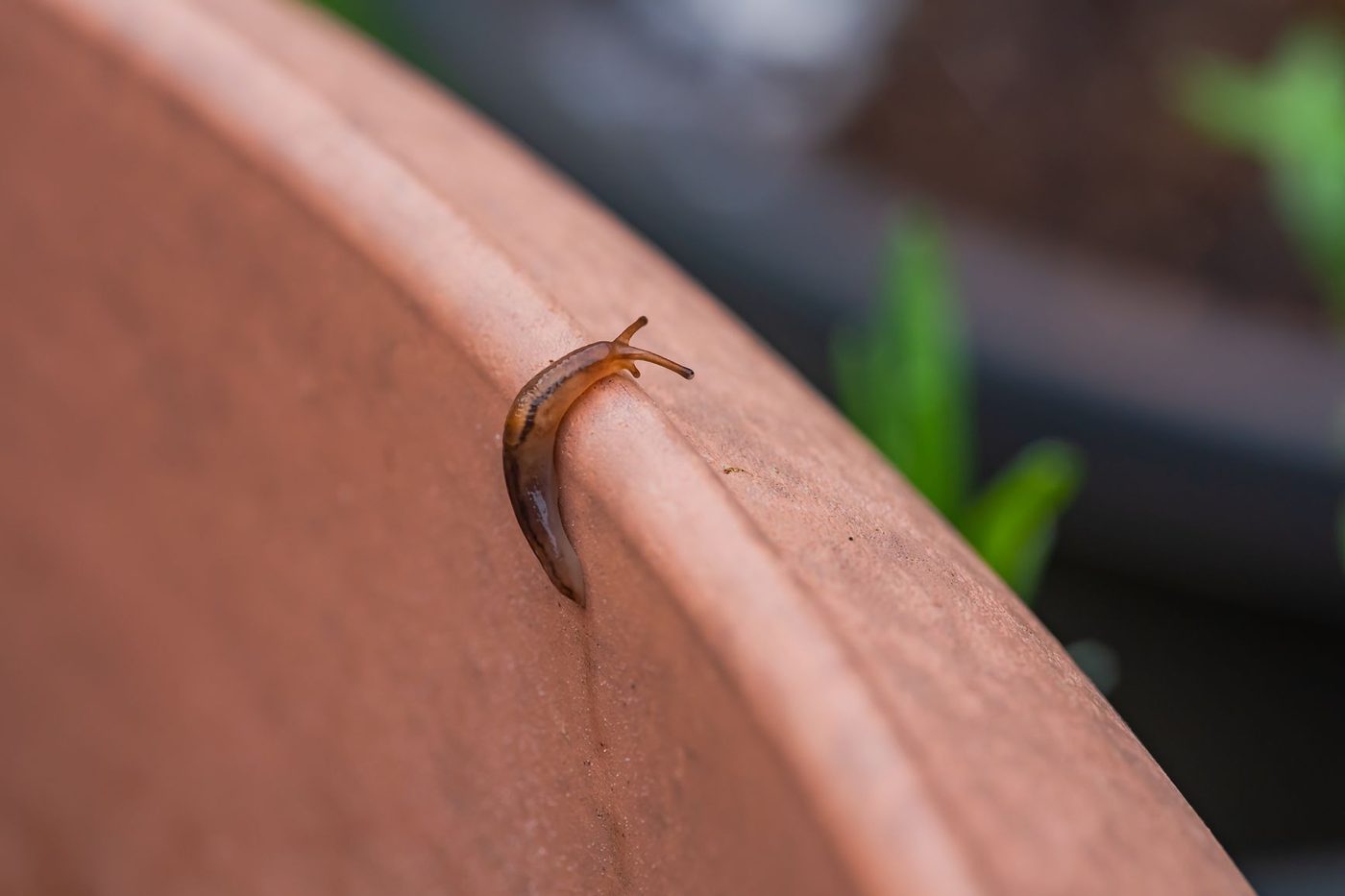
Signs: Irregular holes in leaves, slime trails on soil and foliage, seedlings eaten overnight. Slugs feed at night and in wet weather.
Crops affected: Lettuce, hostas, beans, strawberries, courgettes, brassicas, virtually everything.
Treatment: Beer traps sunk into the soil and nematode biological control (Nemaslug). Copper tape and wool pellets gave no reduction in damage in the RHS barrier trial, so do not rely on them. A torch-lit patrol after dark on a damp evening catches more than anything else, grim work but it does the job. Long term, get hedgehogs, frogs and thrushes on your side and they'll do half of it for you.
Some links on this page are affiliate links. As an Amazon Associate I earn from qualifying purchases. It costs you nothing extra.
Amazon Pick
Nemaslug Biological Control is safe around pets and wildlife and lasts about 6 weeks per application. Worth it for the seedling stage when slugs do the real damage.
2. Aphids (Greenfly & Blackfly)
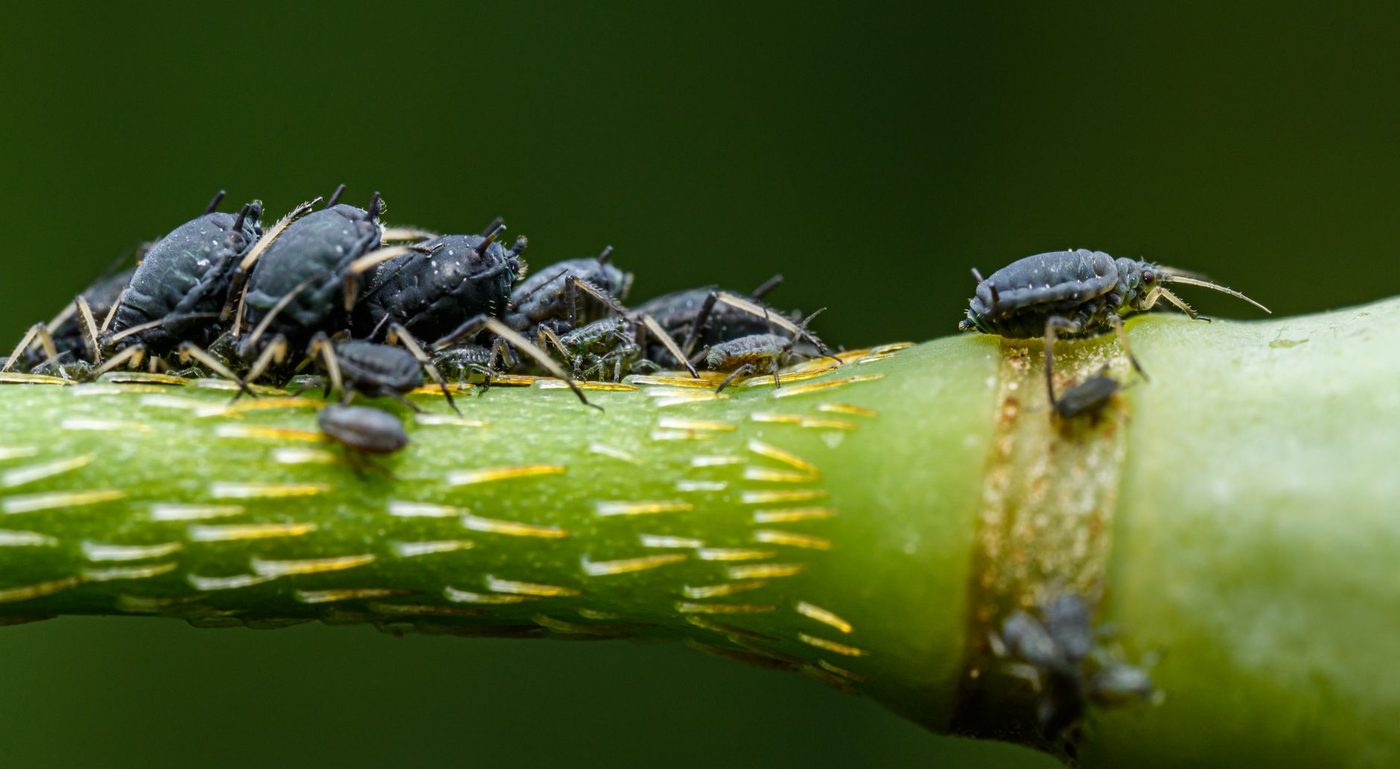
Signs: Clusters of tiny insects on growing tips, curled or distorted leaves, sticky honeydew on foliage, sooty mould developing on honeydew.
Crops affected: Broad beans (blackfly), brassicas, tomatoes, peppers, roses, nasturtiums.
Treatment: A sharp blast from the hose knocks most of them off, and the ladybirds and lacewings will mop up the rest if you leave them be. Nasturtiums work as a trap crop. If it gets out of hand, neem oil or insecticidal soap.
3. Cabbage White Caterpillars
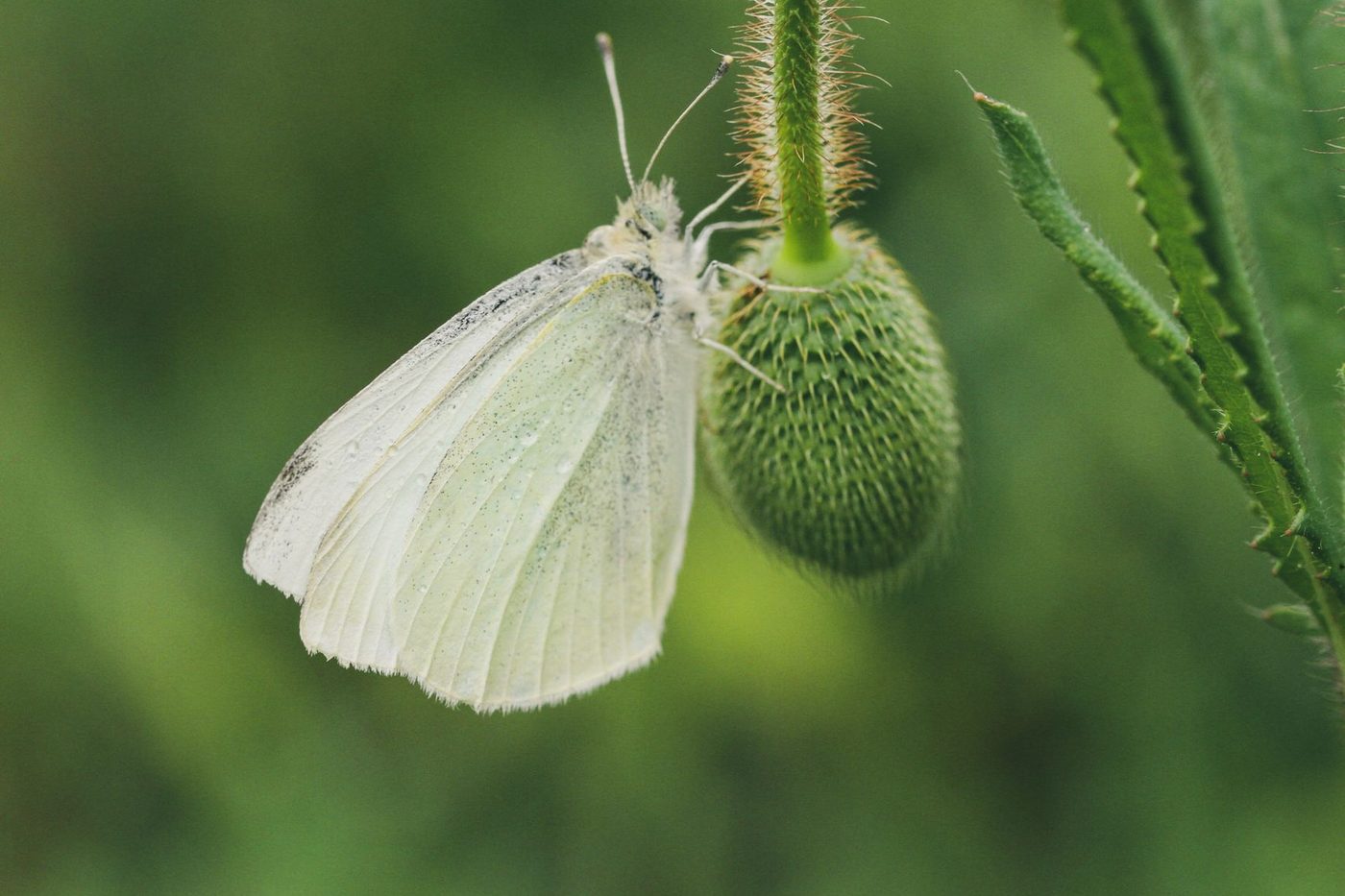
Signs: Large holes in brassica leaves, frass (droppings) on leaves, green caterpillars hiding on leaf undersides.
Crops affected: All brassicas, cabbage, broccoli, kale, Brussels sprouts, cauliflower.
Treatment: Enviromesh or fine netting over the crop from the day you plant out, before the butterflies get a chance to lay (our netting and fleece comparison covers mesh sizes). Once they're on, hand-picking is your friend, check the leaf undersides. Bacillus thuringiensis (Bt) spray if a bed is overrun.
4. Club Root
Signs: Swollen, distorted roots, stunted growth, wilting in hot weather even with adequate water. Roots look knobbly and thick.
Crops affected: All brassicas. The spores persist in soil for 15+ years.
Treatment: There's no chemical cure once it's in your soil, so prevention is the whole game. Lime the ground to push the pH up to 7.2 or above, since the spores hate alkaline conditions. If a bed is already infected, grow your brassicas in containers or raised beds of clean soil and keep them on a 4-year rotation at the very least.
5. Potato & Tomato Blight
Signs: Brown patches on leaves spreading rapidly, white mould on leaf undersides in wet weather, tubers with reddish-brown rot.
Crops affected: Potatoes and tomatoes (same pathogen).
Treatment: The moment you spot it, cut off and burn or bin the infected foliage. Never compost it. Blight-resistant varieties are the easy win here: Sarpo Mira and Crimson Crush have saved my crop in more than one soggy August. Earth up potatoes well so the tubers stay covered, and in a wet summer a preventative copper fungicide spray is worth doing before the leaves go.
6. Carrot Fly
Signs: Rust-red tunnels in carrot roots, stunted growth, tops turning bronze/bronzed foliage.
Crops affected: Carrots, parsnips, celery, celeriac.
Treatment: Cover with fine mesh (HortiFleece) from sowing. The fly can't get above 60cm, so a low barrier is enough. Thin in the evening rather than the morning, because it's the bruised foliage smell that draws them in and there are fewer about at dusk. Resistant varieties like Flyaway and Resistafly help. A row of onions alongside is the traditional advice, but Garden Organic's trials of that pairing came back inconsistent and the fly appears to hunt more by sight than smell — our companion planting chart marks which pairings survived testing and which didn't. Mesh is what actually works.
7. Powdery Mildew
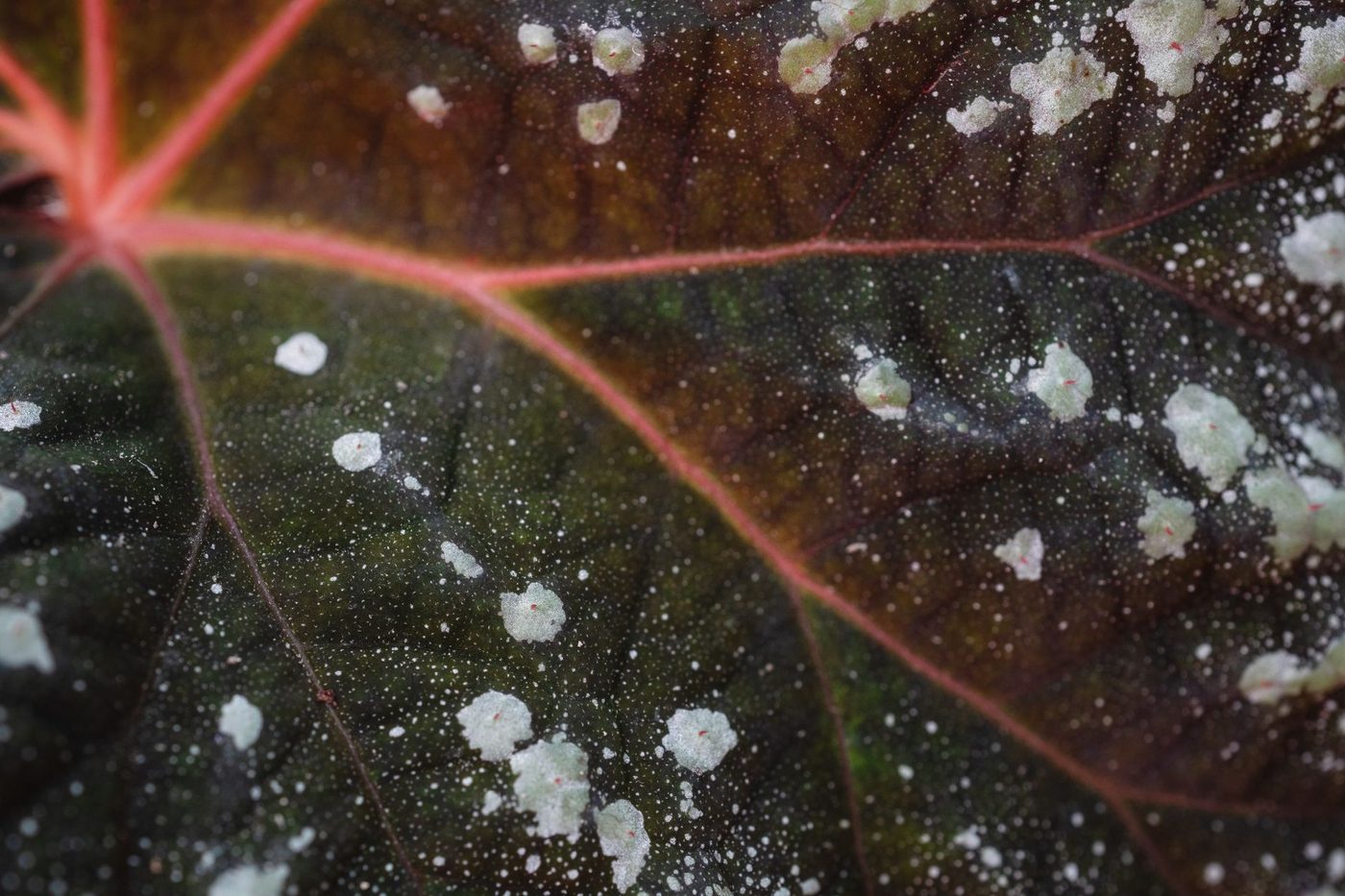
Signs: White powdery coating on leaves, stems, and fruit. Leaves curl and die back.
Crops affected: Courgettes, squash, cucumbers, peas, gooseberries.
Treatment: Space plants wider so air moves through them, since the fungus thrives in still, humid corners. The old milk spray (1 part milk to 9 parts water) genuinely works if you catch it early. Pull off the worst leaves and always water at soil level, never over the foliage.
8. Whitefly
Signs: Tiny white flying insects under leaves, sticky honeydew, sooty mould, stunted growth.
Crops affected: Brassicas (especially in greenhouse), tomatoes, beans.
Treatment: Yellow sticky traps, introduce Encarsia formosa (parasitic wasp), spray with insecticidal soap. In greenhouses, biological control is most effective.
9. Leatherjackets
Signs: Seedlings wilt and die, roots eaten, greyish-brown legless larvae in soil (up to 3cm). Birds digging at soil surface.
Crops affected: All seedlings, especially brassicas, carrots, potatoes.
Treatment: Nematode biological control (specific crane fly larvae nematodes). Flood affected area with water and collect larvae on the surface. Autumn digging exposes larvae to birds.
10. Flea Beetle
Signs: Tiny round holes (shot holes) in leaves, especially on young seedlings. Small black beetles jump when disturbed.
Crops affected: Brassicas, radishes, rocket, oriental leaves.
Treatment: Cover with fleece from sowing. Kaolin clay spray (Surround). Trap crops of mustard. Keep seedlings well-watered and fed to outgrow damage.
11. Allium Leaf Miner
Signs: Mines (tunnels) in leaves, pupae in bulb tissue, yellowing foliage, rotting bulbs.
Crops affected: Onions, garlic, leeks, shallots, chives.
Treatment: Cover with fine mesh from October (autumn generation) and March (spring generation). Rotate alliums annually.
12. Bolting
Signs: Plants flower and set seed prematurely instead of producing crop. Flower stalk shoots up rapidly.
Crops affected: Lettuce, spinach, beetroot, carrots, radishes, parsley.
Treatment: Sow bolt-resistant varieties. Provide shade in hot spells. Successional sowing spreads risk. Don't transplant root crops.
13. Blossom End Rot
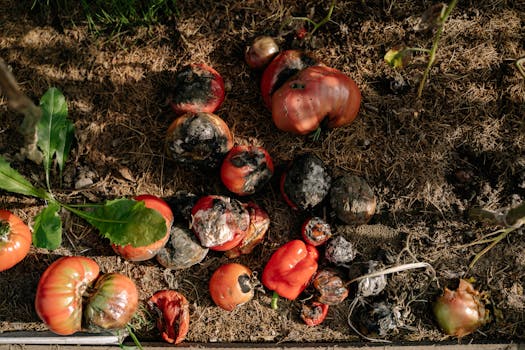
Signs: Dark, sunken, leathery patch on the bottom of tomatoes, peppers, courgettes, or squash.
Crops affected: Tomatoes (most common), peppers, aubergines, squash.
Treatment: This one isn't a disease at all, it's a calcium deficiency brought on by patchy watering. The plant can't pull calcium up when the soil keeps drying out. Water consistently, mulch to hold the moisture in, and chuck some crushed eggshells in the planting hole. Sort the watering and the problem usually sorts itself.
14. Wireworm
Signs: Thin tunnels in potato tubers and root crops, yellowish-brown click beetle larvae in soil.
Crops affected: Potatoes, carrots, onions, lettuce.
Treatment: Bait traps (buried potato chunks checked weekly). Rotational cultivation. More common on newly converted grassland, improve over 2-3 years.
15. Rust (Rust Fungi)
Signs: Orange/brown pustules on leaf undersides, yellowing leaves, premature leaf drop.
Crops affected: Broad beans, runner beans, garlic, leeks.
Treatment: Remove affected leaves immediately. Improve air circulation. Avoid overhead watering. Copper fungicide for severe cases.
16. Gooseberry Sawfly
Signs: Stripped bare leaves, green caterpillar-like larvae with black spots on gooseberry and currant bushes.
Crops affected: Gooseberries, red and white currants.
Treatment: Hand-pick larvae (check from April onwards, three generations per year). Nematode control. Clear leaf litter around bushes in winter to remove pupae.
17. Potato Scab
Signs: Rough, corky patches on the potato skin. It looks alarming but it's purely cosmetic. The flesh underneath is fine and perfectly safe to eat once you've peeled them.
Crops affected: Potatoes.
Treatment: Acidify soil slightly (lower pH). Keep tubers well-watered during tuber formation. Use certified seed potatoes. Rotate on a 4-year cycle.
18. Pigeon Damage
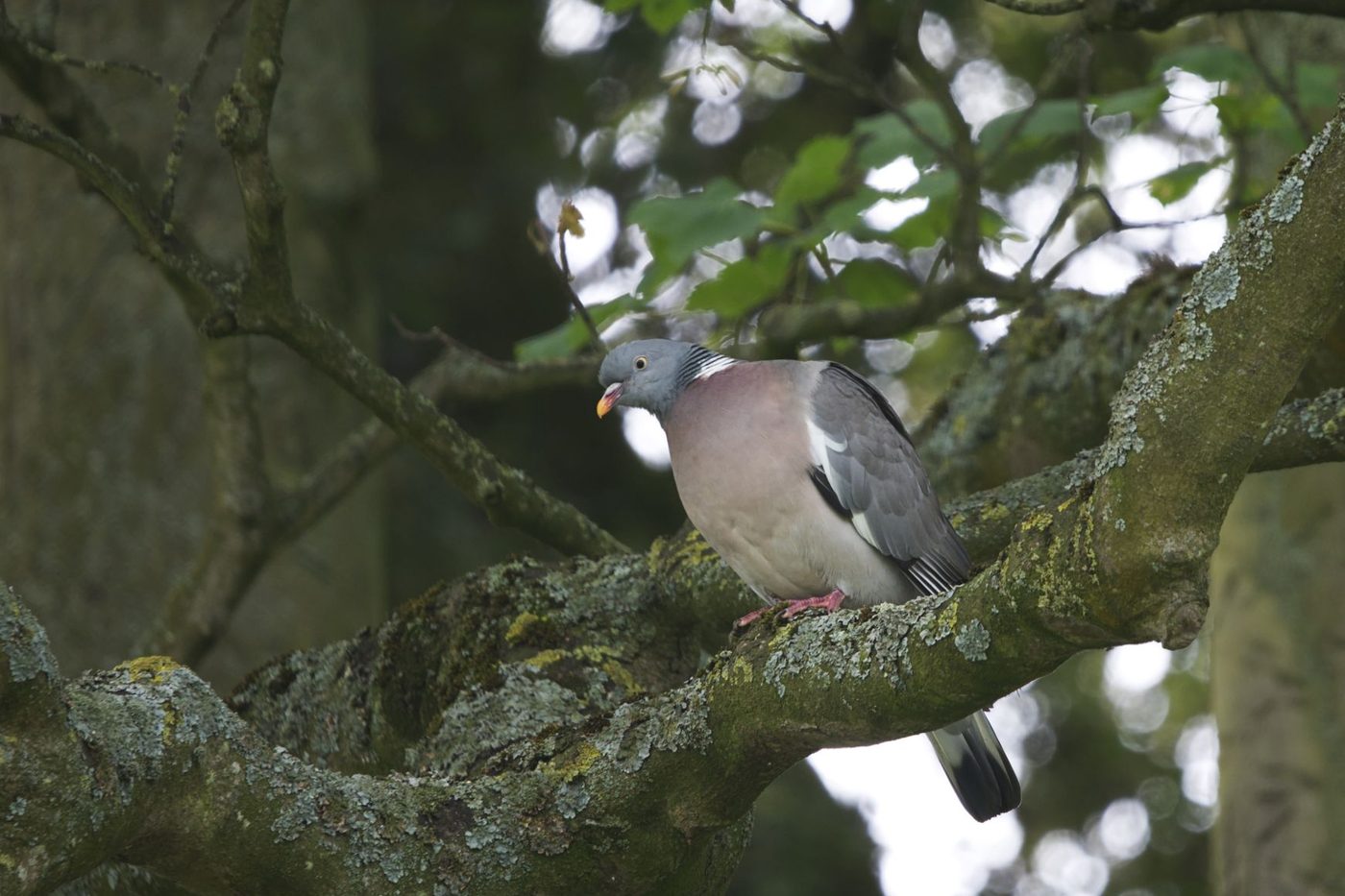
Signs: Large sections of brassica leaves torn away, plants stripped to stalks. Worst in winter when other food is scarce.
Crops affected: Brassicas (especially winter greens), peas, fruit bushes.
Treatment: Netting, and honestly nothing else reliably works. Drape bird netting over crop support hoops so it stands clear of the leaves. Scarecrows and dangling old CDs might buy you a week before the pigeons wise up.
19. Onion White Rot
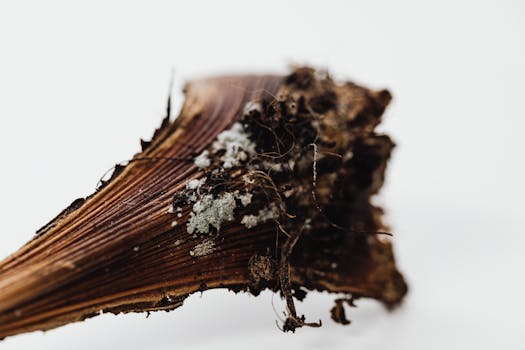
Signs: Yellowing, wilting foliage. White fluffy mould at base of bulb with tiny black sclerotia (resting spores).
Crops affected: Onions, garlic, leeks, shallots.
Treatment: There's no cure, and this is the one allotment problem that genuinely keeps me up at night. Lift and burn every infected plant. Then keep alliums off that ground for 8 years or more, because the resting spores sit in the soil for decades waiting for you to forget.
20. Tortrix Moth Caterpillars
Signs: Leaves webbed together with silk, rolled or folded leaves with caterpillars inside.
Crops affected: Apples, pears, plums, strawberries, ornamental plants.
Treatment: Hand-pick webbed leaves. Pheromone traps for monitoring. Encourage parasitic wasps. Spray Bt (Bacillus thuringiensis) if severe.
When to Seek Help
If something has you stumped, take a few clear photos and collar whoever's been on the site longest. The old hands have seen it all and will name your problem before you've finished the photo. Failing that, the RHS Plant Health pages and the Garden Organic advisory service are both worth a look.