BIRCHTREE 6x4ft aluminium & polycarbonate greenhouse
Polycarbonate shrugs off footballs and hailstones, and the frame won't rot. The all-rounder for an allotment site.
As an Amazon Associate I earn from qualifying purchases.
A greenhouse is the upgrade that pays you back every season. Start tomatoes, chillies and cucumbers weeks earlier, harden off in safety, overwinter tender plants, and keep growing salads long after the outdoor beds have packed up. The trick on an allotment is choosing one that copes with an exposed, sometimes unattended site, and fits whatever your society allows.
As an Amazon Associate I earn from qualifying purchases. It costs you nothing extra. The picks below are what we'd actually put on a plot.
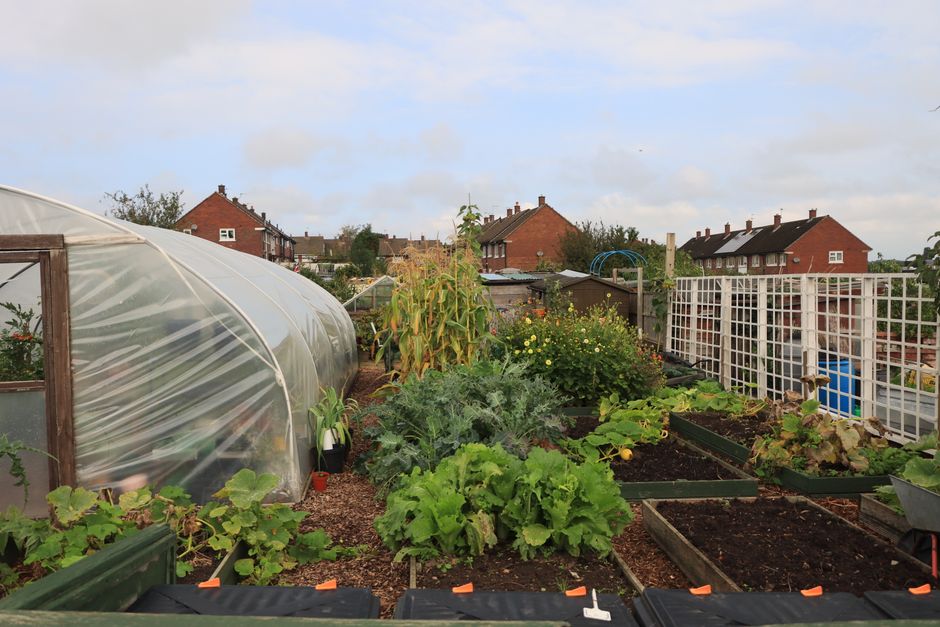
6 Greenhouses Compared
| Type | Best for | Glazing | Buy |
|---|---|---|---|
| Mini grow-house | Tiny plots, seedlings | PE cover | Check price |
| Walk-in polytunnel | Max growing space, low cost | PE cover | Check price |
| Aluminium + polycarbonate | Best all-rounder | Polycarbonate | Check price (search Amazon) |
| Aluminium + glass | Looks + light | Horticultural glass | Check price |
| Wooden frame | Traditional plots | Glass/poly | Check price |
| Lean-to | Against a shed or wall | Polycarbonate | Check price |

What size do you need?
Bigger than you think. Everyone fills a greenhouse in the first season and wishes they'd gone one size up. A 6x4ft is the sensible minimum for a plot: room for staging down one side and grow-bags down the other. If your society allows it and you've the space, 6x8ft gives you a proper working aisle and room to overwinter pots. Check your tenancy agreement first, because some sites cap greenhouse size or ban glass outright.
Glass or polycarbonate?
On an allotment, polycarbonate usually wins. It doesn't shatter, which matters on a site where footballs, foxes and the odd break-in happen, and twin-wall polycarbonate holds heat better than single glazing. Glass lets in more light and looks the part, but a single cracked pane on an exposed plot is a recurring headache. If your site has had break-ins, polycarbonate is the safer money.
Anchor it or lose it
The number one greenhouse failure on allotments is wind, not cold. A light aluminium frame will cartwheel across the site in the first gale if it isn't bolted down. Concrete the base or fit proper ground anchors, and it's the single most important thing you'll do.
Getting more from it
Most plots have no power, so heating is about trapping what the sun gives you. That is also the limit of it: an unheated greenhouse in February sits near freezing, which is why a lot of people start seed at home in a grow tent for vegetables and only move plants out here from April. A roll of bubble wrap insulation on the inside of the frame buys you a few degrees on frosty nights, and a paraffin or a small greenhouse heater keeps the frost off tender seedlings in early spring. Add staging to double your growing levels, and an automatic vent opener so it doesn't cook on a hot day when you're not there.
Pro Tip
Put the greenhouse where it gets morning sun and some afternoon shade if you can, and run the ridge roughly east to west. And leave the door end away from the prevailing wind, so you're not fighting it every time you go in.
Pair it with a decent shed for storage and a watering system so it doesn't dry out mid-week, and you've got a proper little growing set-up.